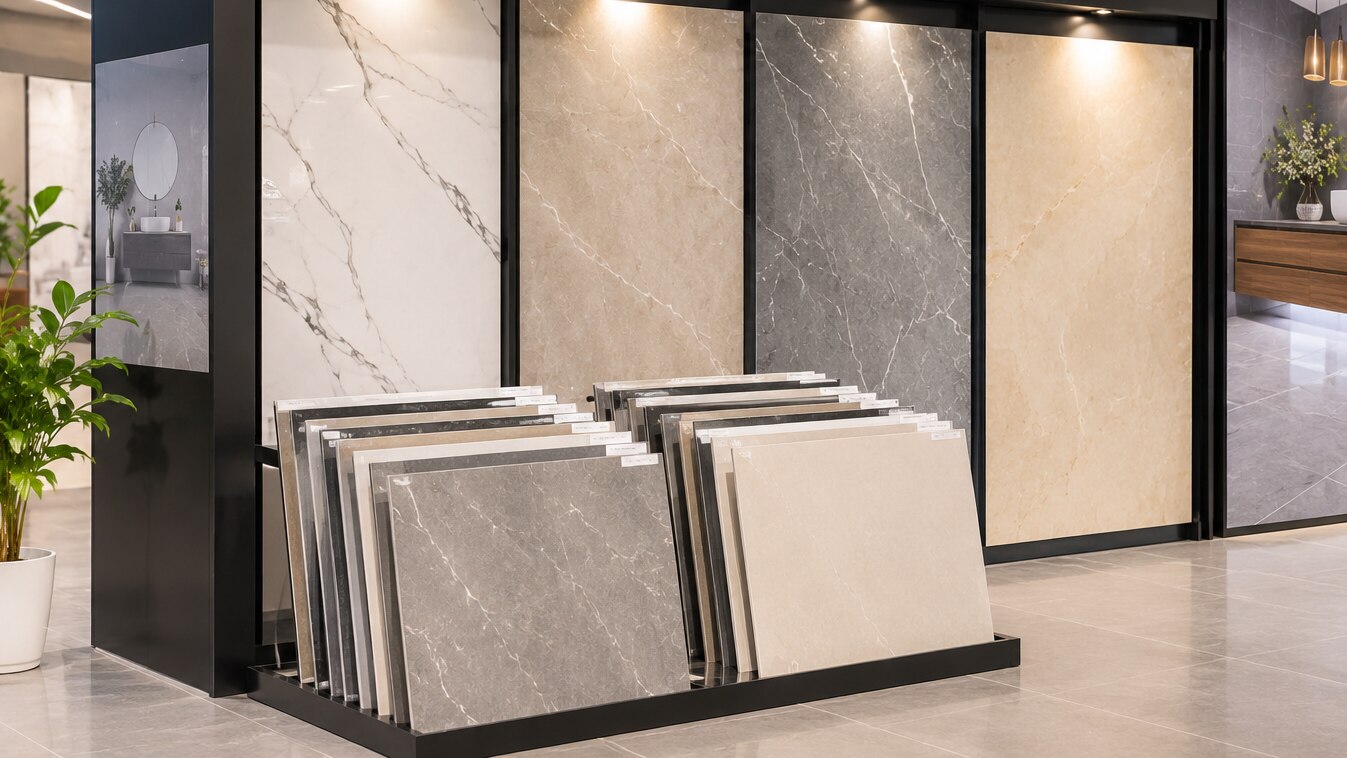
Choosing a contemporary RAK tile is not only a matter of matching a colour to a room. You need to connect each design and finish with the correct floor or wall use, technical performance, installation method, quantity, and replacement plan. By the end, you will know how to compare RAK with other brands and what to demand from a dealer before placing an order.
Key takeaways
- Confirm floor, wet-room and outdoor ratings for each tile.
- Match tile finish and slip resistance to the room’s actual use.
- Check shade variation, batch numbers and pattern repetition before ordering.
- Compare format, maintenance, installation demands and warranty—not colour alone.
How the RAK tile range is organised and what a dealer should explain
Treat RAK tiles as a coded product system, not a display of unrelated designs. The RAK tile range is organised through collections that group visual language, surface finish, format, application and technical classification. A collection name alone does not prove that every tile suits floors, wet rooms or outdoor areas.
1. Ask for the current RAK catalogue entry and technical data sheet for every selected RAK Ceramics product code. Check that each sheet states porcelain or ceramic construction, intended application, available dimensions, thickness, finish, shade variation, calibre system and recommended installation location.
2. Read the carton, not only the showroom label. Confirm the manufacturing source printed on it, the manufacturer or brand identity, and whether the supply is factory-packed or repacked locally. A design name such as marble-look, wood-look, stone-look, rocker, hexagon or pentagon describes appearance or geometry, not complete performance.
3. Compare the declared water absorption before choosing for wet areas, heavy use or exterior exposure. ISO 13006 classifies porcelain tile at 0.5% or less by mass; ordinary ceramic has a different classification. That figure helps you assess durability and moisture suitability, but it does not replace application-specific slip or installation data.
A dependable dealer connects the visual collection to its exact code and technical evidence. If the seller cannot match the sample to a current catalogue entry, carton label and data sheet, you are comparing a collection name rather than a specified tile.
Match each contemporary design to the room and the way it will be used
Match the room’s risks before matching its colour: use appearance-led RAK wall designs for feature surfaces, then choose a separately rated floor tile for walking areas.
For tiles for living room schemes and bedrooms, compare glare, furniture movement, cleaning effort, and visual scale; large matt formats reduce reflections, while glossy finishes enlarge light but show marks.
| Design | Advantages | Check before choosing |
|---|---|---|
| Matt or rocker | Better visual grip, less glare | Dirt and grout visibility |
| Glossy | Reflects light, easy wipe-down | Wet traction and reflections |
| Wood-look | Warm scale and texture | Repetition, edge cuts, cleaning |
| Marble- or stone-look | Strong feature surface | Vein matching and pattern repeat |
| Hexagon or pentagon | Distinctive geometry | More grout, cuts, and installation time |
Use kitchen tiles only after checking stain resistance, household chemical resistance, grout cleaning, and spill manageability. Bathroom floor tiles and shower surfaces need wet slip data; never assume polished or glossy tiles are safe. Confirm that tile, grout, adhesive, waterproofing and floor falls work together.
- Balconies and exposed entrances: verify water absorption, freeze-thaw suitability where relevant, wet traction, and outdoor approval.
- Offices, shops, corridors and hospitality floors: check abrasion, breaking strength, chemical resistance, cleanability, and replacement availability separately; PEI alone is insufficient.
- Countertops: specify a product approved for worktops. A floor tile is not automatically suitable.
Read the technical specification before comparing colour or price
Price comparisons are premature until the technical specification shows how the tile will perform after installation. Ask for the exact tile dimensions and actual face size, because a nominal 600 × 600 mm label does not guarantee those measured dimensions.
Request these tile technical specifications for the selected product code:
- Thickness and water absorption
- Breaking strength
- Surface rating and finish
- Slip-resistance test result
- Stain resistance
- Resistance to household chemicals
| Figure or description | What it tells you | What it does not prove |
|---|---|---|
| PEI rating tiles | Glazed ceramic surface resistance to abrasion | Tile strength or wet traction |
| Water absorption | Porcelain classification and moisture behaviour | Slip resistance |
| Breaking strength | Resistance to load-related fracture | Resistance to surface wear |
| Wet DCOF result | Traction on a wet, level interior floor | Universal slip-proof performance |
For a floor expected to be walked on wet, ask for the dynamic coefficient of friction result under the applicable test. ANSI A326.3 uses 0.42 wet DCOF as a benchmark for these surfaces; do not describe any tile as universally slip-proof.
Confirm whether the finish is glazed, polished, matt, textured, or unglazed, because cleaning and wear behaviour change with the surface.
For tile with an edge longer than 15 inches, check substrate variation before ordering: no more than 1/8 inch in 10 feet and 1/16 inch in 2 feet is commonly specified. Rectified edges do not justify a zero-width joint.
Set the grout joint for size variation, movement, substrate accuracy, and lippage control, and place movement joints at roughly 20–25-foot interior intervals, closer near sunlight, vibration, or structural movement.
Control shade, pattern repetition, grout, and installation across large areas
Approve the layout only after checking the shade code, calibre code, tile batch number, and stated tile shade variation class. ANSI classes run from V1, relatively uniform, to V4, with substantial variation.
For V3 or V4, inspect multiple loose pieces or request a room-size mock-up; one showroom sample cannot reveal print repetition across a floor or feature wall.
Ask for:
- Confirmation that later cartons can match the original shade and calibre
- A layout plan showing random placement, directional laying, vein alignment, bookmatching, or controlled pattern repetition
- An allowance of about 10% for a straightforward layout, with more for diagonal, chevron, herringbone, heavy matching, or future repairs
- Unopened spare cartons from the same batch for repairs
Rectified large format tiles still need a flat substrate: no more than 1/8 inch variation in 10 feet and 1/16 inch in 2 feet is a commonly specified tolerance for tiles over 15 inches.
Large format tile installation requires back-buttering, high mortar coverage, and periodic lifting to check contact, especially in wet, exterior, and commercial areas. Do not use a zero-width grout joint. Remove grout from textured or wood-look surfaces before it hardens.
| Layout choice | Main risk | Control |
|---|---|---|
| Random placement | Visible repetition | Mix cartons and review several pieces |
| Vein alignment | Broken visual flow | Mark direction before fixing |
| Hexagon or pentagon | Extra cuts and grout intersections | Dry-lay edges, niches, and doorways |
| Pattern matching | Higher waste | Order additional material and retain spares |
Use a dealer checklist to compare RAK with competing tile brands
A dependable authorised RAK tile dealer can document the specification, quantity and after-sales route before you pay. Request a RAK tile invoice showing:
- Brand RAK, complete product code, collection, nominal dimensions, finish, shade code, calibre code and batch number
- Number of cartons, pieces per carton, area per carton, total area and tax details
- Delivery terms, transit-breakage procedure and tile warranty terms
Photograph one carton label, then check every carton for matching shade and calibre codes. Count cartons against the approved area, including roughly 10% waste for a straightforward layout and extra cartons for pattern matching or retained repair stock.
Compare RAK with competing brands using the same evidence, not the same attractive sample.
| Check | RAK versus competing brands | Evidence to request |
|---|---|---|
| Appearance and supply | Batch consistency, shade variation and available sizes | Multiple-piece mock-up and current catalogue |
| Performance | Thickness, surface technology, wet traction, abrasion, stain and chemical resistance | Technical data sheet and test results |
| Ownership | Cleaning effort, lead time and tile replacement availability | Written cleaning instructions and stock commitment |
| Protection | Warranty scope and exclusions | Written warranty terms |
| Problems | Responsibility for shade disputes or transit breakage | Named contact and required photographs, labels or delivery records |
VRINDAVAN GRANITE AND TILES is useful for this comparison when it provides physical samples, technical documents, coordinated room options and written quantity confirmation. Choose the supplier that can support future matching, not simply the brand with the best showroom sample.
Related products
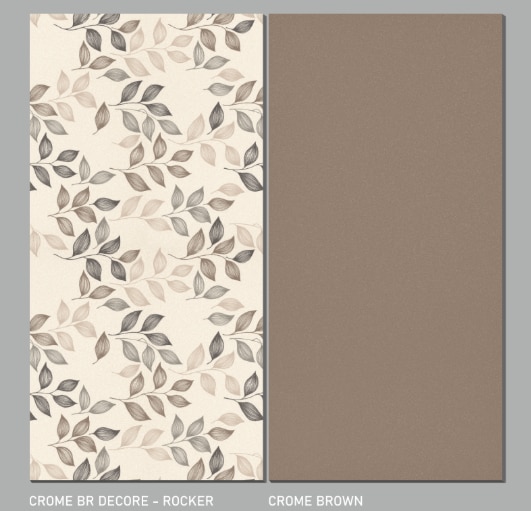 | Regal Collection Crome BR Decore – Rocker (Matt Finish) Crome BR Decore – Rocker (Matt Finish) – Regal Collection from VRINDAVAN GRANITE AND TILES is a premium designer wall tile that combines contemporary... View product → |
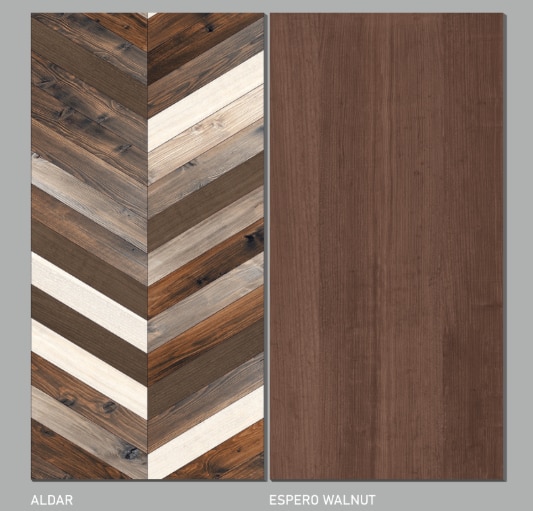 | Regal Collection Aldar (Rocker Finish) – Regal Collection from VRINDAVAN GRANITE AND TILES is a premium designer wall tile crafted to bring texture, elegance, and... View product → |
Frequently asked questions
How should a dealer explain the RAK tile range?
Ask the dealer to identify each collection’s visual style, finish, format, intended application and technical classification. A collection name alone does not confirm suitability for floors, wet rooms or outdoor areas.
How do you choose a contemporary tile for each room?
Match the tile to traffic, moisture, cleaning, slip risk and design scale. Use suitable floor-rated products for living areas, slip-resistant surfaces in bathrooms and kitchens, and exterior-rated tiles outdoors.
Which technical specifications should you compare before colour and price?
Check water absorption, slip resistance, breaking strength, surface finish, thickness, rectification and the stated indoor or outdoor application. Compare the same performance category across brands.
How can you control shade and pattern variation on a large tiled area?
Order tiles from the same batch, inspect cartons before installation, dry-lay patterned products and agree on the layout. Confirm grout colour and joint width with the installer before fixing.
What should you ask a dealer when comparing RAK with other tile brands?
Compare matching formats and technical ratings, then ask about batch availability, shade variation, replacement quantities, installation requirements, lead time, after-sales support and warranty terms.
Related products
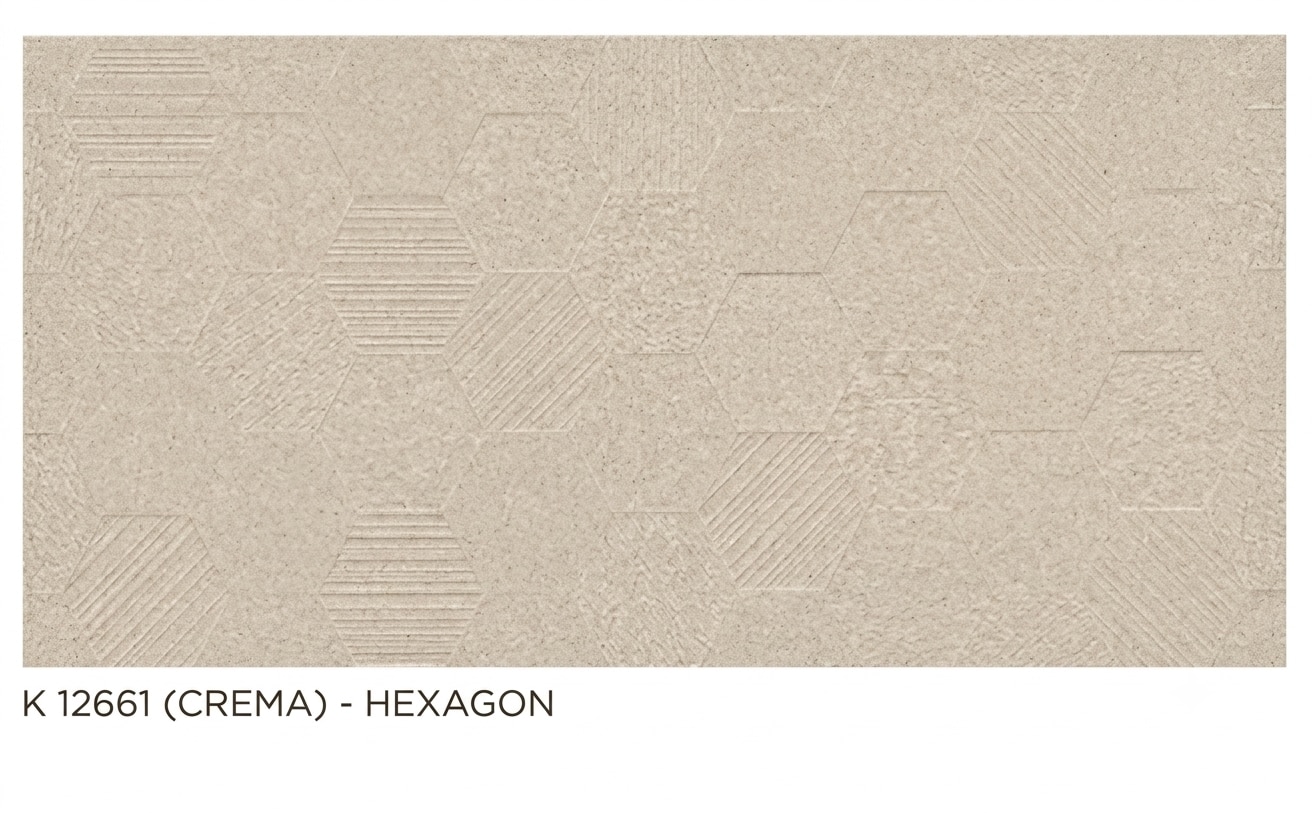 | Hexagon (Stone Art) K 12661 (Crema) – Hexagon (Stone Art) from VRINDAVAN GRANITE AND TILES is a premium stone-finish vitrified tile designed to bring the elegance of... View product → |
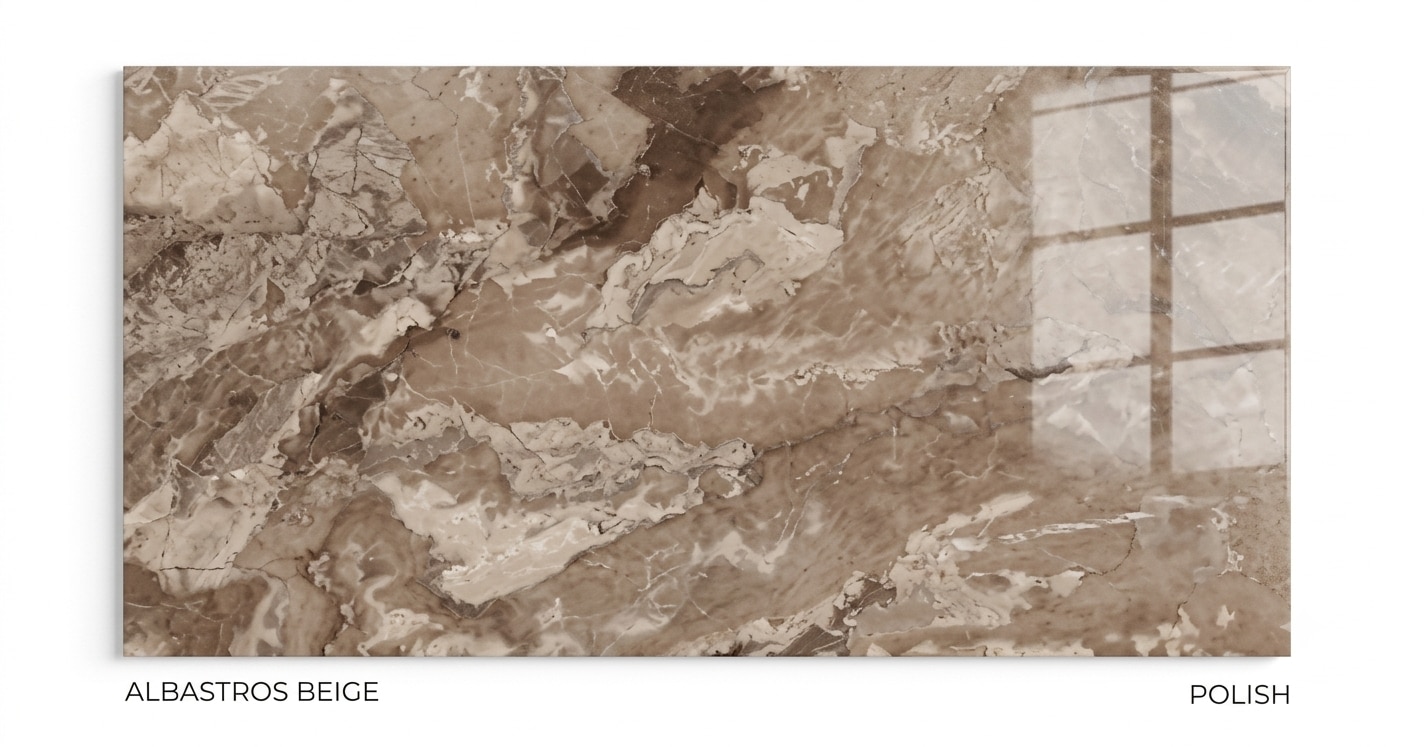 | Marble Collection Marble Collection from VRINDAVAN GRANITE AND TILES is a premium marble-finish vitrified tile that brings the timeless elegance of natural marble to... View product → |
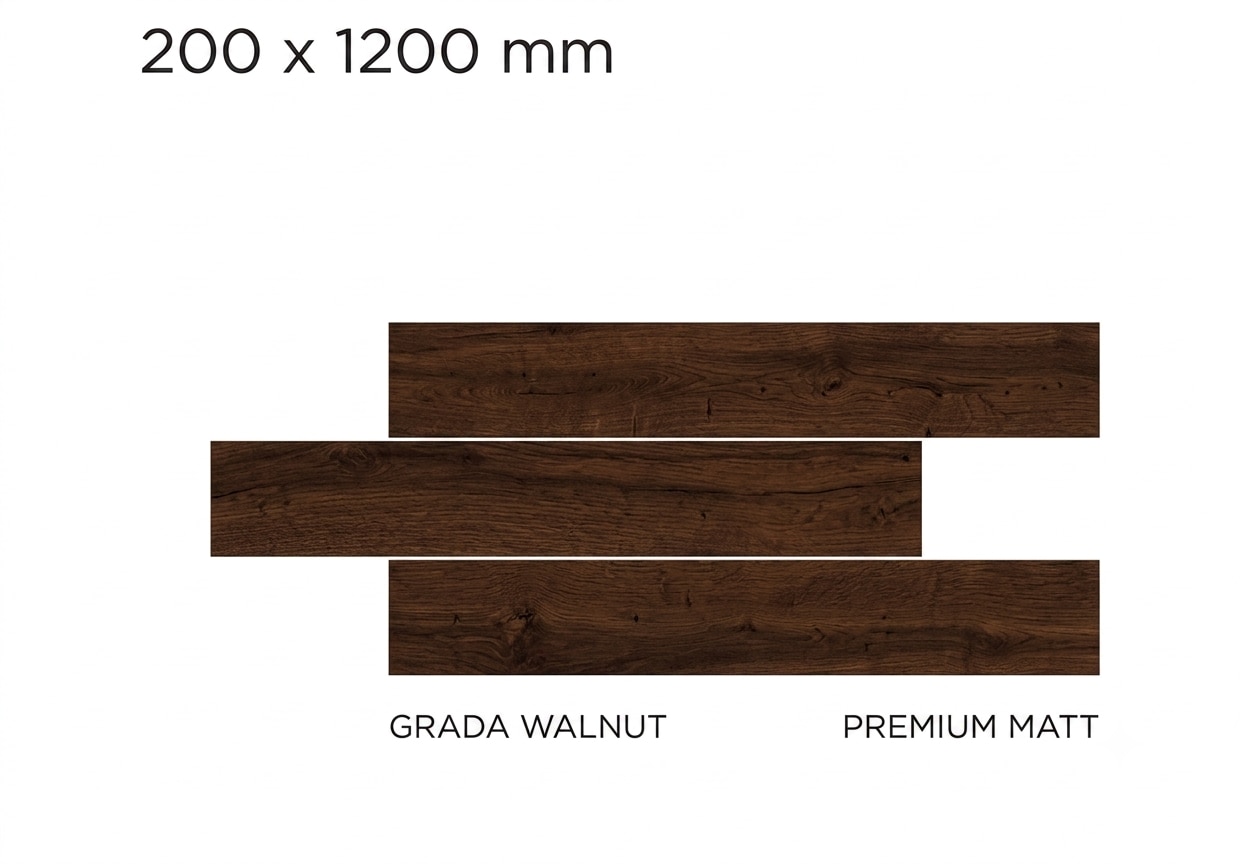 | Wood Collection (Premium Matt) – Wood Collection from VRINDAVAN GRANITE AND TILES combines the timeless elegance of natural wood with the strength and durability of... View product → |
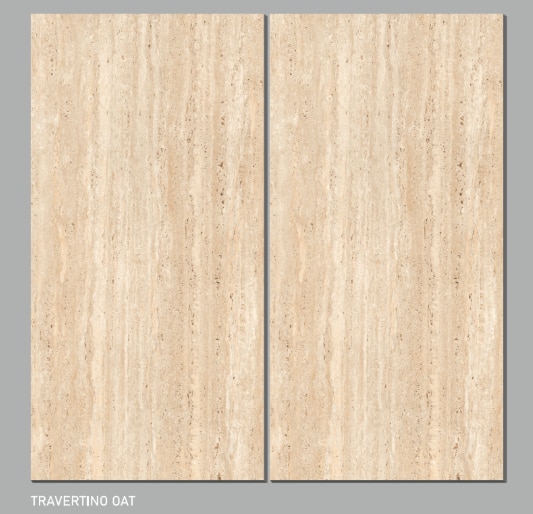 | Regal Collection (Glossy) – Regal Collection from VRINDAVAN GRANITE AND TILES is a premium glossy wall tile inspired by the timeless beauty of natural travertine... View product → |