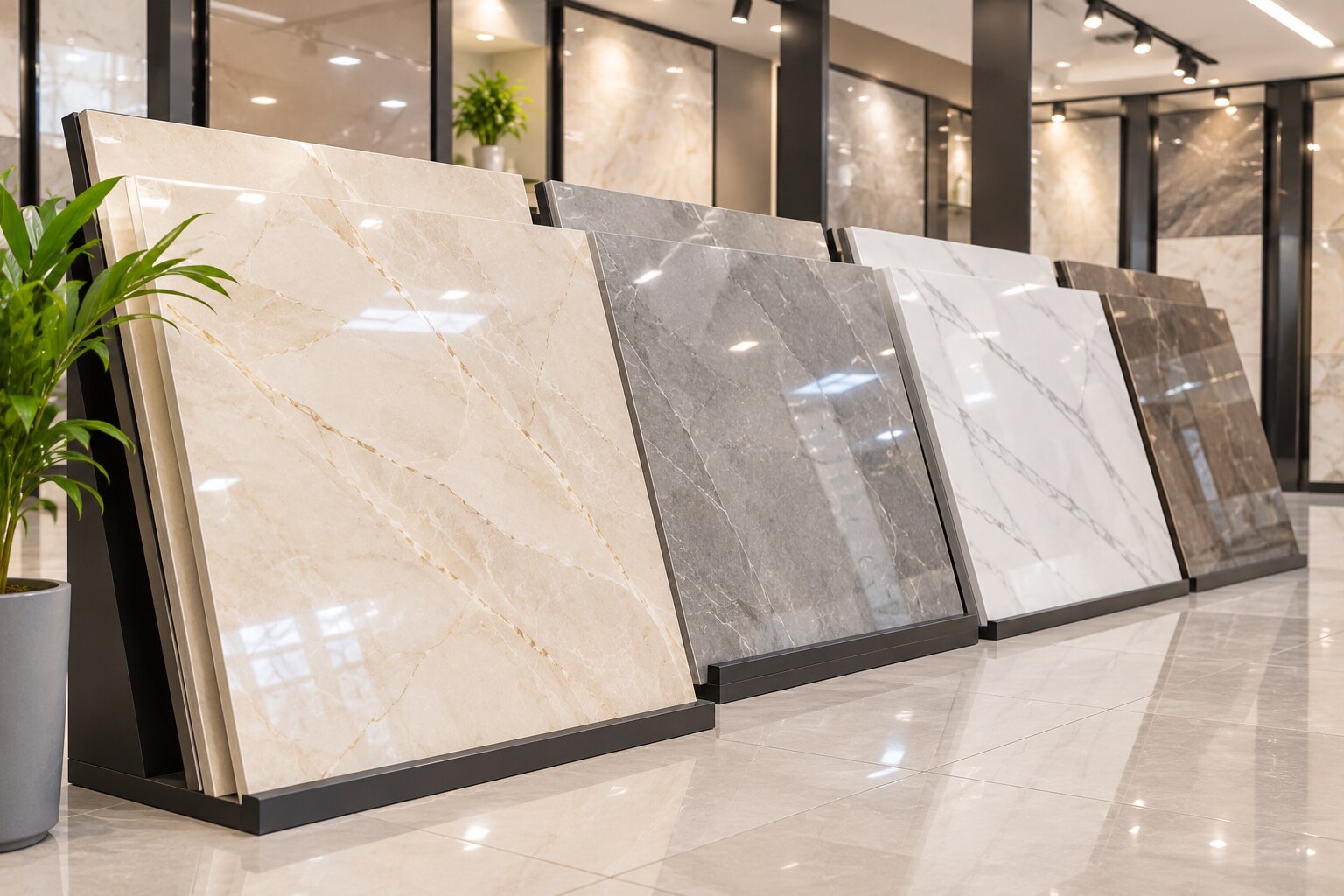
A vitrified tile label does not prove that a floor will withstand crowds, carts, wet shoes or repeated cleaning. You will be able to assess the evidence, select the right surface and compare dealers using a specification that covers safety, installation, maintenance and future replacement.
Key takeaways
- Check water absorption, wear rating, slip resistance and impact data.
- Choose a textured surface for wet entrances, bathrooms and spill-prone areas.
- Specify substrate preparation, movement joints, adhesive and grout before installation.
- Keep spare tiles and verify batch details before accepting the order.
Start with performance evidence, not the vitrified label
A water absorption of 0.5% or less by mass places a tile in the BIa porcelain tile category under ISO 13006. That low absorption limits water penetration and staining, but it does not prove wear resistance, impact strength or slip safety.
Vitrified tile durability depends on several separately tested properties, not the word “vitrified” on the carton.
Request the technical data sheet and check for:
- Water absorption, reported as a percentage by mass
- Breaking strength, which indicates resistance to bending loads
- PEI abrasion class for glazed tiles
- Chemical resistance
- Stain resistance
- Slip-resistance test results
PEI describes surface wear caused by foot traffic, with higher classes intended for progressively heavier use. It is not a universal durability score: it does not measure cracking, point loads, chemical attack or slipping.
If you search “PEI rating vitrified tile dealers”, use the result to find documented test data rather than relying on “premium” or “heavy duty” claims.
Specify the actual load. Pedestrian traffic in an office corridor differs from carts in a shop, pallet jacks in a store room or forklifts in a warehouse.
Concentrated wheels and impacts can crack tiles over weak spots even when the PEI class suits foot traffic; review breaking strength, substrate support, mortar coverage and the complete floor assembly for those loads.
Match the surface to wet traffic and appearance demands
A wet DCOF 0.42 under ANSI A326.3 is commonly specified for level interior areas expected to be walked on when wet. It is not a promise that any tile is slip-proof.
Specify slip-resistant vitrified tiles alongside a control plan for rainwater at entrances, grease in restaurants, dust in shopping areas, and detergent residue in offices and hotels.
| Finish | Traction and cleaning | Practical use |
|---|---|---|
| Matt | Better grip; collects soil and needs thorough cleaning | Entrances, corridors and general high-traffic floors |
| Stone-finish | Stronger texture; traps grease and dust | Wet or contaminated zones when maintenance is planned |
| Marble-finish | Appearance varies; polished versions show marks | Hotels and offices where visual consistency matters |
| Wood-look | Usually matt or lightly textured; grout lines collect dirt | Comfortable-looking corridors and hospitality areas |
| Glossy | Reflective, but shows scuffs, water marks and traffic paths | Low-contamination areas with frequent appearance control |
For matt versus glossy floor tiles, choose the surface that matches cleaning capacity, not showroom lighting. A textured finish improves traction but raises maintenance effort; a polished finish cleans easily yet exposes wear.
The high-traffic flooring comparison changes with the building: ceramic tile can reduce cost but may offer less durability; natural stone brings repairable, distinctive surfaces but needs sealing; polished concrete handles broad areas but feels hard and amplifies noise.
Laminate is comfortable and quiet but dislikes moisture, while vinyl is resilient, quieter and easier to replace, yet can suffer from cuts, indentation and heat. Vitrified tile suits wet exposure and long service when its finish, joints and maintenance plan match the traffic.
Specify the installation details that prevent early failure
A strong tile fails when the assembly beneath it bends, moves or leaves voids. For large-format vitrified tile installation, correct the substrate before laying tile: keep tile substrate flatness within approximately 1/4 inch in 10 feet and 1/16 inch in 12 inches. Do not hide an uneven floor with excessive mortar.
Specify a tile thickness suited to the expected loads, then match it with a compatible thin-set mortar or large-and-heavy-tile mortar. Verify mortar coverage for tile flooring: at least 80% in dry interiors and 95% in wet or exterior areas, with continuous support beneath edges and corners. Voids become crack points under carts and concentrated loads.
Rectified edges permit narrower, more uniform joints, but they do not justify a joint below the manufacturer’s minimum. Use a lippage-control system where appropriate; narrow joints do not absorb movement or correct a warped substrate.
Install movement joints in vitrified tiles at perimeters, changes in plane, structural or substrate joints, and project-appropriate intervals. Without them, grout can crack, tiles can tent and bonded areas can debond.
| Grout choice | Best fit | Main caution |
|---|---|---|
| Cementitious | Standard interiors and accessible repairs | Mix, cure and seal exactly as specified; stains remain a cleaning risk |
| Epoxy | Grease, staining or chemical exposure | Higher installation demands and harder removal |
Keep spare tiles accessible for individual replacement, and confirm the cleaning chemicals will not attack the grout or mortar.
Use a dealer’s sample and paperwork to test the real order
Do not approve a large floor from one loose showroom tile. Compare vitrified tile dealers by matching their written evidence to the actual order, then inspect several pieces from the proposed lot.
Ask each dealer for:
- A technical data sheet, intended-use recommendation, PEI or abrasion result, slip data, chemical resistance, stain resistance, tile thickness, size, shade, caliber, rectification status, minimum joint width, batch number and warranty terms.
- A commercial flooring tile specification stating whether the product suits corridors, offices, hotels, restaurants, entrances or shopping areas. PEI describes glazed-surface wear from foot traffic; it does not prove impact strength, cracking resistance or slip safety.
- Confirmation that the full quantity comes from one coordinated batch. Record the tile batch consistency details because later replacements can show shade or size differences.
| Check | Acceptable evidence | Warning sign |
|---|---|---|
| Proposed lot | Several pieces with consistent size, shade and caliber | Samples from mixed cartons |
| Edge and face | No chips or visible warpage | Bowed pieces, lippage or chipped edges |
| Installation | Manufacturer’s minimum joint width in writing | “Rectified means jointless” advice |
| Delivery | Written process for breakage, shortages and defects | Verbal promises only |
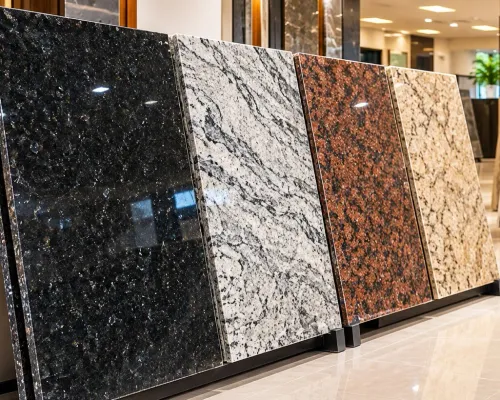
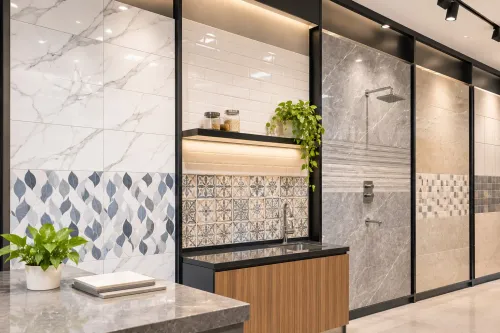
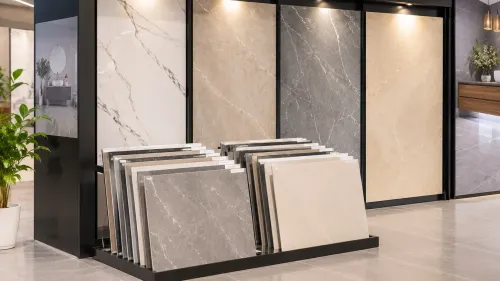
View the lot under the project’s lighting and beside likely grout colors. Check rectified tile caliber shade variation before payment. A showroom such as VRINDAVAN GRANITE AND TILES helps you compare physical samples and discuss the complete specification, but written technical evidence should decide the purchase.
Related products
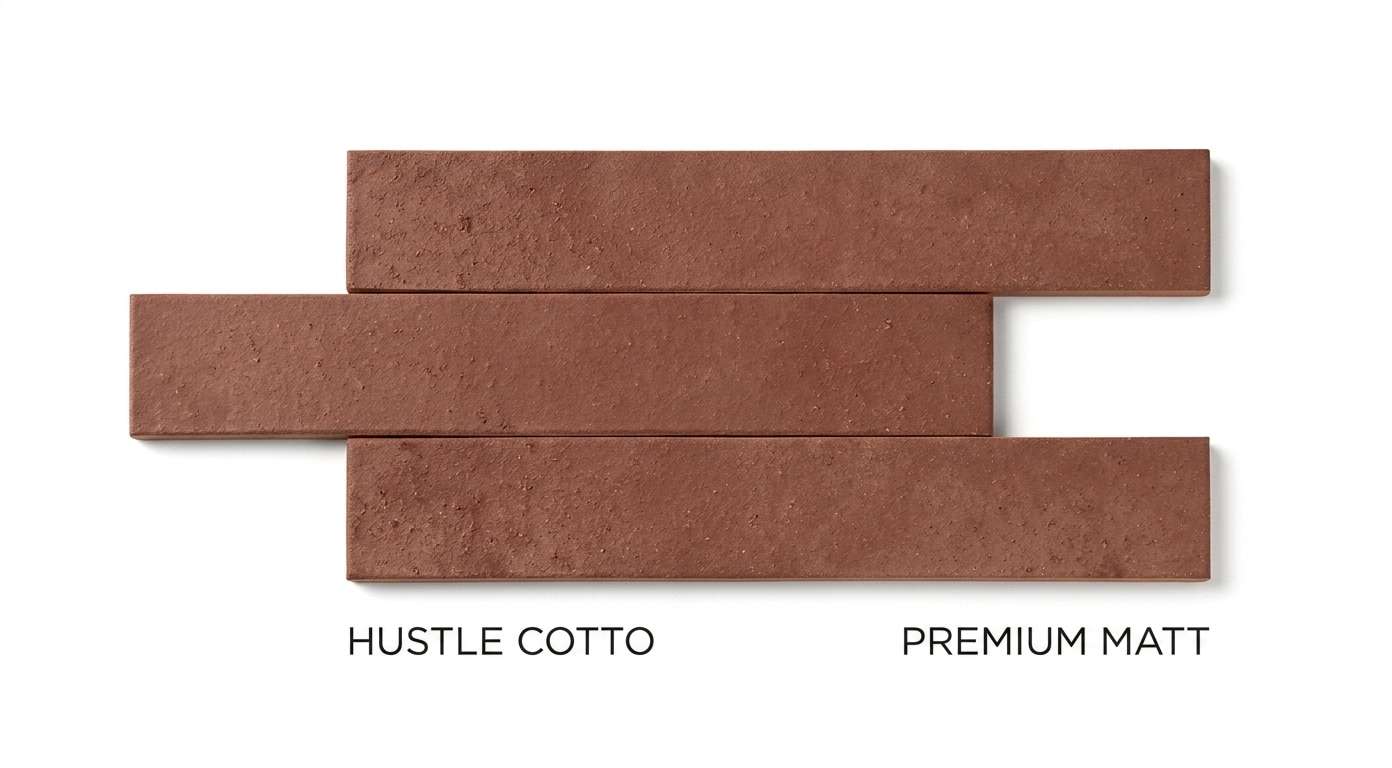 | Stone Collection (Premium Matt) – Stone Collection from VRINDAVAN GRANITE AND TILES is a premium-quality vitrified tile designed to replicate the natural beauty of... View product → |
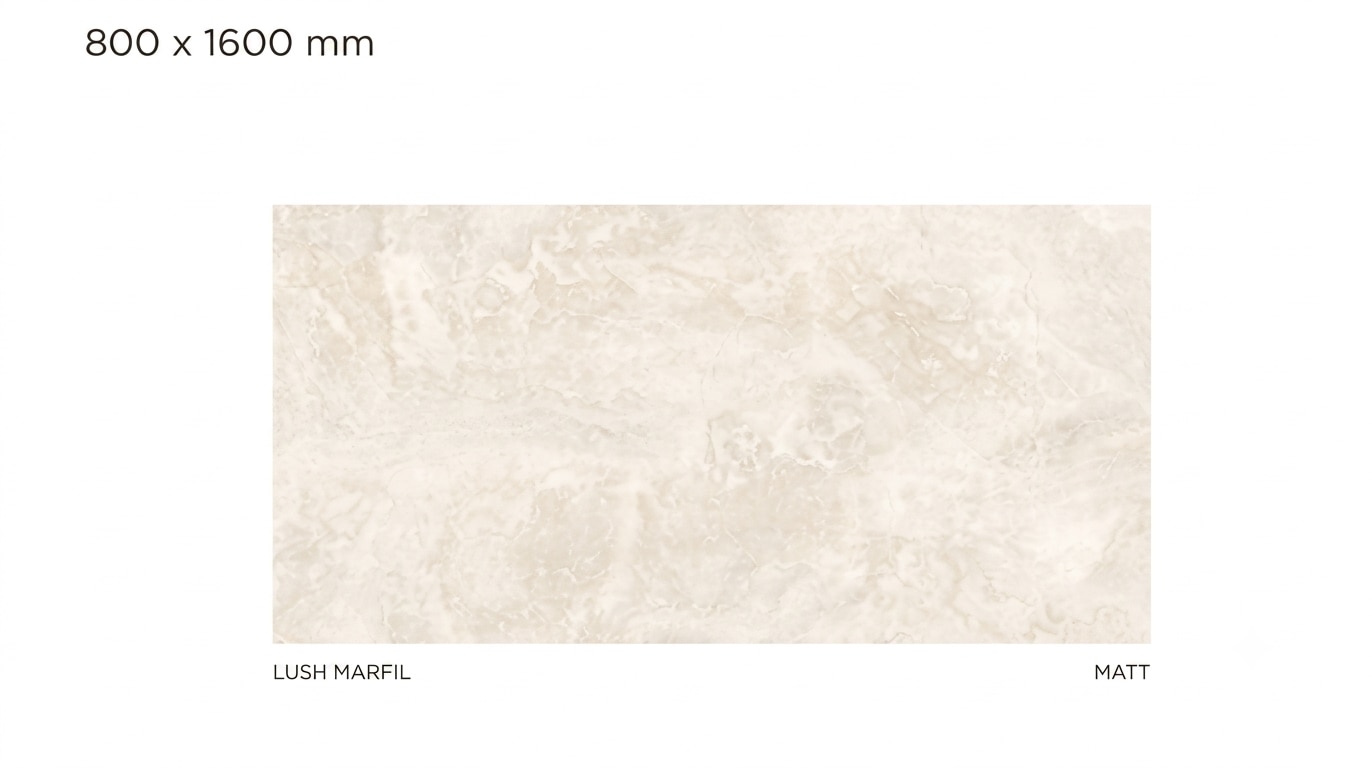 | Cement Collection Cement Collection from VRINDAVAN GRANITE AND TILES is a premium vitrified tile designed to deliver the modern appeal of cement with enhanced... View product → |
Budget for cleaning, spares and the floor’s second life
Measure each room and add the areas together. Divide the total floor area by one tile’s coverage, round up to whole tiles or cartons, then add around 10% for a straightforward rectangular layout. Increase the allowance for diagonal, herringbone, multi-room or heavily cut designs.
Keep a tile spare quantity as attic stock, separate from installation waste. Future lots can differ in shade, caliber, dimensions or availability, leaving a damaged tile impossible to match.
- Complete a tile delivery inspection before installation.
- Check cartons for breakage, wet packaging, incorrect batch or caliber details, and visible surface, edge or size defects.
- Record photographs and notify the supplier before opening or laying defective material.
Your vitrified tile maintenance routine should remove grit with dust mopping, use a neutral cleaner at the stated dilution, rinse detergent residue, and treat grease promptly. Never use unapproved acids, abrasive powders or harsh chemicals.
| Finish | Ongoing cleaning concern | Practical control |
|---|---|---|
| Textured or matt | Soil collects in the surface | Use detailed damp cleaning and inspect joints |
| Glossy or polished | Scuffs, streaks, water marks and traffic paths show | Control footwear grit, rinse thoroughly and dry visible areas |
Before purchase, read the floor tile warranty and replacement terms. Check exclusions for installation defects, substrate movement, chemical damage and wheeled loads; warranty coverage rarely repairs a failure caused by the assembly or misuse.
Frequently asked questions
Does 0.5% water absorption prove a vitrified tile is durable?
No. It places the tile in the BIa porcelain category under ISO 13006, but you must also check wear resistance, impact strength and slip safety.
How should you choose a tile surface for wet, high-traffic areas?
Match the finish to the conditions: use slip-resistant textured surfaces where water or spills occur, while considering cleaning effort and appearance.
Which installation details help prevent early tile failure?
Confirm substrate preparation, suitable adhesive, correct grout, movement joints and installation instructions before work begins.
What should you verify before accepting a tile order from a dealer?
Compare physical samples with the approved selection, check shade and calibre consistency, and request batch details, test paperwork and spare tiles.
Related products
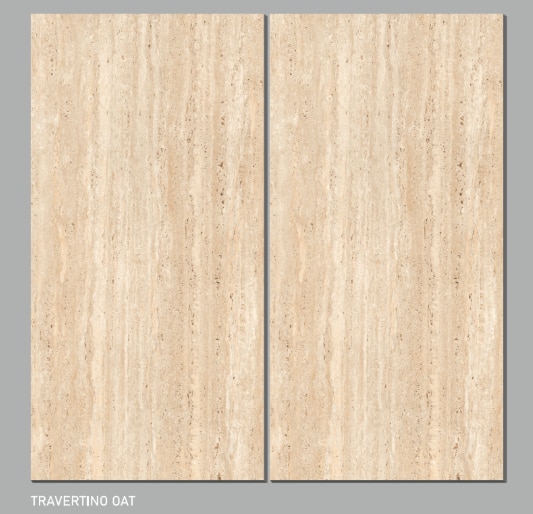 | Regal Collection (Glossy) – Regal Collection from VRINDAVAN GRANITE AND TILES is a premium glossy wall tile inspired by the timeless beauty of natural travertine... View product → |
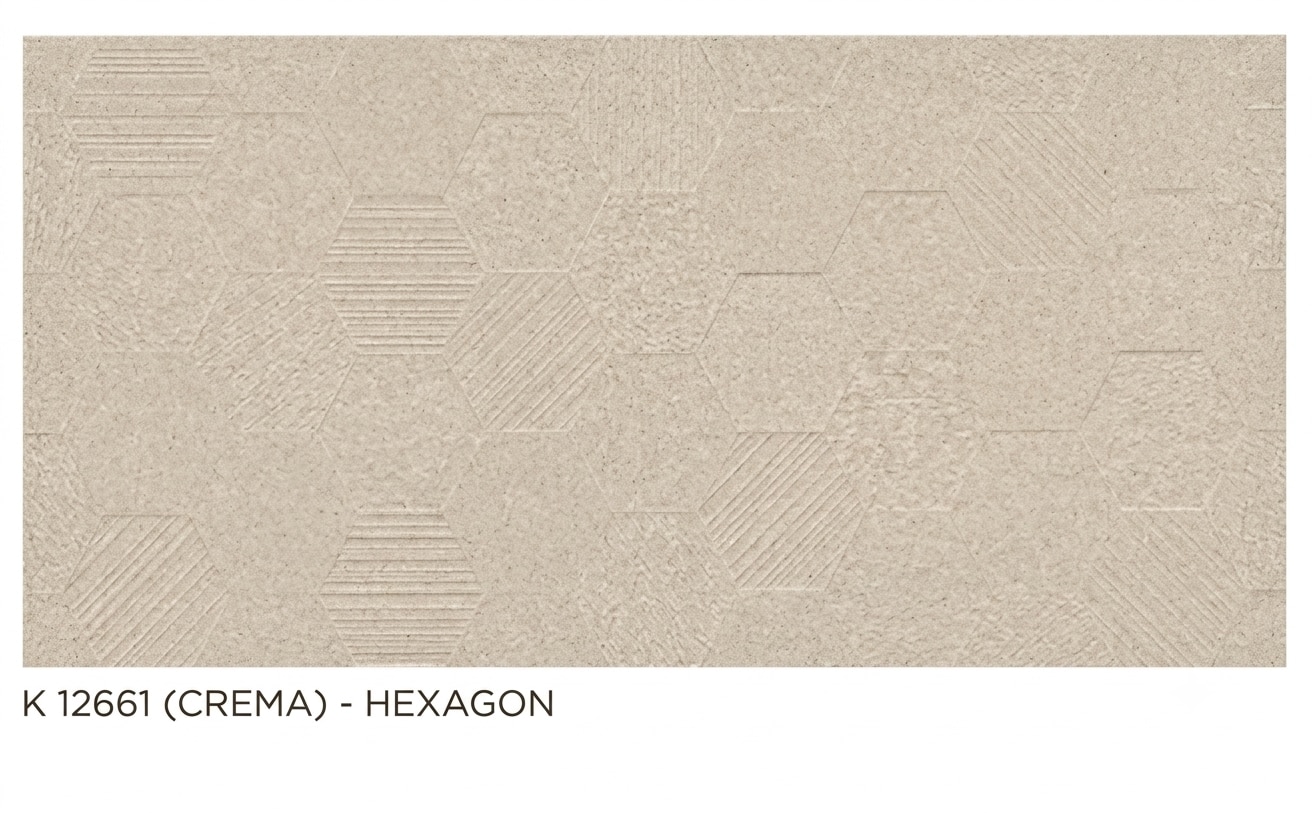 | Hexagon (Stone Art) K 12661 (Crema) – Hexagon (Stone Art) from VRINDAVAN GRANITE AND TILES is a premium stone-finish vitrified tile designed to bring the elegance of... View product → |
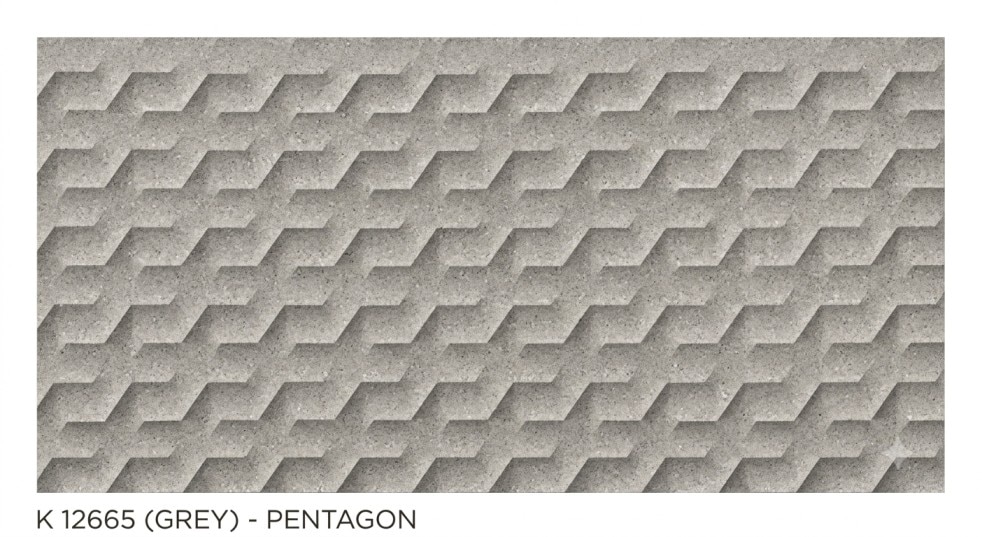 | Pentagon (Stone Art) K 12665 (Grey) – Pentagon (Stone Art) from VRINDAVAN GRANITE AND TILES is a premium stone-finish vitrified tile designed to bring a modern and... View product → |
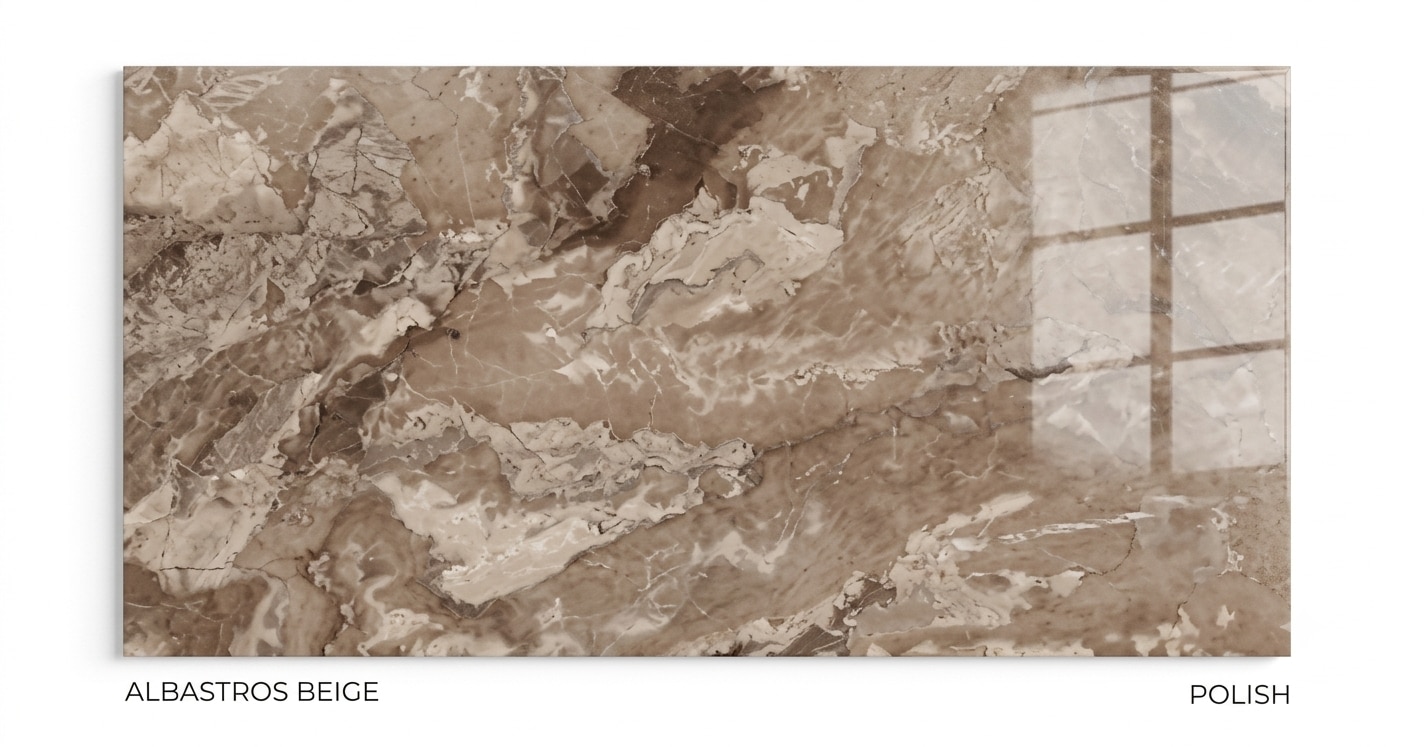 | Marble Collection Marble Collection from VRINDAVAN GRANITE AND TILES is a premium marble-finish vitrified tile that brings the timeless elegance of natural marble to... View product → |