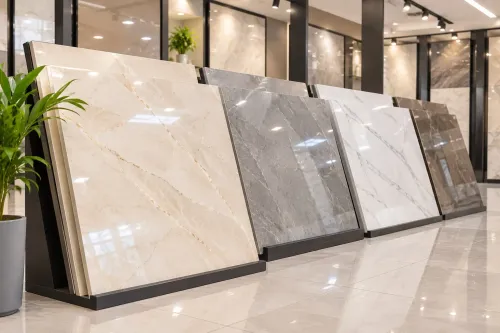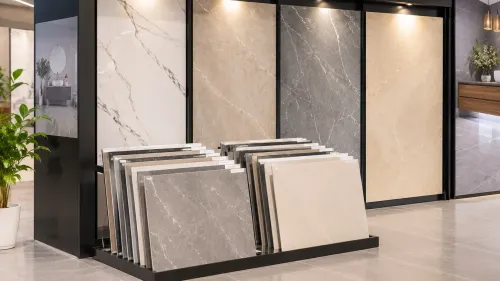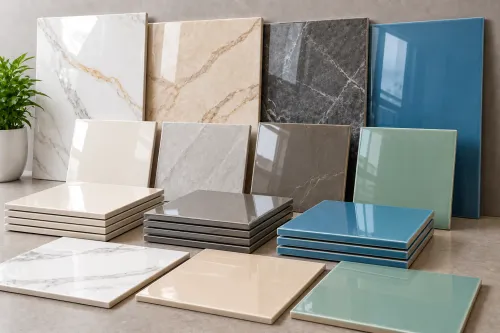
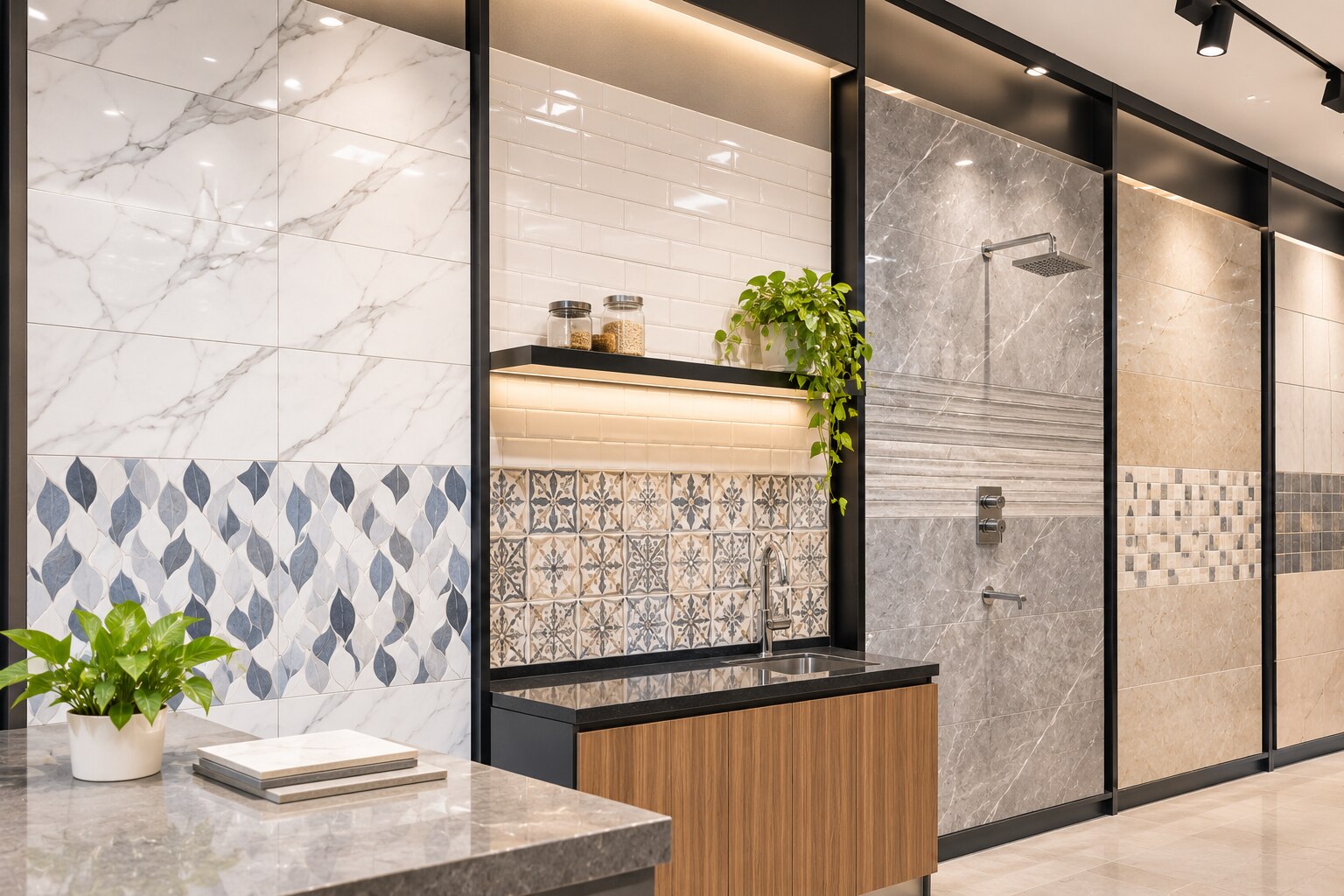
A suitable wall tile must do more than match a colour board: it must tolerate the room’s moisture, grease, cleaning routine, lighting and installation conditions. By comparing finishes, formats, layouts and technical documents in a showroom, you can narrow the choice to designs that look right and perform properly on the wall where they will be installed.
Key takeaways
- Choose grease-resistant, easy-clean tiles for kitchen splashbacks.
- Use moisture-tolerant bathroom tiles with surfaces that resist soap marks.
- Order extra tiles for cuts, breakage and future repairs.
- Check shade, calibre, batch number, finish and quantities before delivery.
How should kitchen and bathroom wall tiles differ?
Kitchen wall tiles need grease resistance, easy wiping and chemical resistance more than floor-style abrasion ratings. Bathroom wall tiles need moisture tolerance and a surface that will not make routine soap, shampoo or water-mark removal difficult. Wall and floor tiles are not interchangeable because their dimensions match.
| Location | Performance priority | What to check |
|---|---|---|
| Backsplash | Low porosity, stain and chemical resistance | Smooth glazed surface; avoid deep texture, crackle glaze and heavy embossing that trap grease |
| Bathroom wall | Moisture tolerance and cleanability | Manufacturer-approved wall use, suitable adhesive and substrate |
| Shower wall tiles | Wet-area approval and reliable adhesion | Tile weight, format, adhesive instructions and waterproof membrane behind the assembly |
| Vanity wall | Resistance to splashes, cosmetics and cleaning products | Low-porosity finish and grout compatible with frequent wiping |
| Decorative accent | Appearance with adequate application rating | Confirm the product is approved for that wall and exposure, not merely decorative |
A shower tile does not waterproof the wall. Install a continuous membrane behind or beneath the tile, sealing corners, joints, pipe penetrations and the drain; cement backer board alone is not a waterproof membrane.
Do not use a PEI rating as proof that a tile suits a shower wall. PEI measures abrasion resistance of glazed tile, mainly for floors; it does not confirm water absorption, stain resistance or wall adhesion. Check the manufacturer’s permitted application, tile weight, substrate and adhesive requirements before approval.
Which tile finish and pattern scale suit the room?
Choose a finish and pattern scale that control light, cleaning effort and visual proportion—not just the colour. Glossy wall tiles reflect light and wipe clean easily after grease splashes, but show water spots, fingerprints and uneven walls. Matt wall tiles hide marks and soften glare, yet dried oil can need more scrubbing.
| Finish or pattern | Reflections and marks | Cleaning, grout and proportion |
|---|---|---|
| Glossy | Brightens a dark room; exposes water marks and lippage | Best behind cooktops and vanities; grease wipes off easily |
| Matt | Reduces glare; disguises splashes and minor surface variation | Easier on the eye, but textured matt surfaces hold grease longer |
| Rocker finish | Ridges create shadow and tactile depth | Traps soap and oil; reserve for small accents, not a busy backsplash |
| Stone finish tiles | Natural, irregular appearance with restrained reflection | Check porosity and sealing; uneven faces make grout and wiping harder |
| Marble finish | Veining adds movement and can make a large wall feel luxurious | Choose a non-porous tile for easy cleaning; dense veining can overwhelm a small room |
| Wood-look | Warm linear grain visually lengthens or raises a wall, depending on direction | Low-maintenance when porcelain or ceramic; align grout carefully |
| Hexagon | Small scale adds detail but increases grout joints | More grout means more cleaning; use larger hexagons in compact rooms |
| Liner | Frames edges and creates horizontal or vertical emphasis | Keep it limited; too many lines fragment the wall |
| Decorative | Establishes a focal point | Use one feature zone so cabinets and sanitaryware do not compete |
Use large, calm patterns on full-height walls and small formats around niches or splashbacks. Dark grout reduces maintenance visibility; light grout preserves a spacious look but shows grease and mildew sooner.
How do size, layout, grout and colour change the result?
Match tile size to the wall’s proportion, not only to the room’s floor area. Large-format tiles make a narrow wall feel quieter by reducing grout joints, while small tiles create more visual detail and can make a broad wall feel busier. Large-format tiles also need a flatter substrate and more careful handling.
- Choose a vertical tile layout or stacked rectangles to add emphasis to a low ceiling.
- Choose a horizontal layout to visually widen a narrow wall.
- Use a restrained pattern on a short backsplash, and reserve bold patterns for one accent wall or niche.
A contrasting grout colour makes every joint visible and strengthens a grid; a close-matching grout colour gives patterned or small walls a smoother appearance. Choose a darker grout where cooking splashes or frequent cleaning could discolour pale joints, but check that it does not compete with the countertop or cabinet finish.
Warm lighting can turn cream tiles yellow, while cool lighting can make grey tiles appear blue. View a larger sample beside the actual cabinet, countertop, tap, basin, toilet and shower fittings. A glossy pale tile reflects light in a dim bathroom, but it also highlights uneven walls and water marks.
Keep design scale proportional to the wall. Oversized motifs can overwhelm a compact vanity wall, while tiny patterns disappear on a full-height wall; repeat one colour from the sanitaryware or countertop to connect the scheme.
What must a wall tile dealer verify before you buy?
Before you approve a wall tile, verify the manufacturer’s permitted application, tile weight, format, substrate, and fixing method. Wall tile and floor tile are not interchangeable because their dimensions match. Confirm that the product suits a dry wall, wet room, shower wall, backsplash, or exterior exposure.
Ask the dealer to provide:
- Water absorption: porcelain tiles should declare 0.5% or less by mass under ASTM C373 or ISO 10545-3. “Vitrified tiles” is not enough; record the test value. Ceramic wall tiles need the manufacturer’s stated wet-area approval.
- Durability and chemicals: confirm resistance to stains, grease, bathroom cleaners, acids, and alkalis. PEI measures glazed-floor abrasion, not shower suitability or wall adhesion.
- Batch details: record product code, shade or dye lot, calibre, and quantity. Dry-check pieces from several boxes; a display sample alone can hide a colour or size mismatch.
- Rectification and fixing: rectified edges allow tighter joints but do not remove grout or movement joints. Confirm the approved adhesive, trowel method, joint width, and substrate preparation.
- Surface risks: crackle or crazed glaze needs written wet-area and food-splash approval, plus sealing and maintenance instructions.
VRINDAVAN GRANITE AND TILES can help compare these documents against the room’s substrate and exposure rather than choosing from appearance alone.
| Check | Evidence to request | Failure avoided |
|---|---|---|
| Wet wall | Written wet-area approval | Staining or glaze damage |
| Heavy format | Adhesive and substrate specification | Debonding or cracked tiles |
| Matching batch | Shade, calibre and batch record | Visible colour or size variation |
Related products
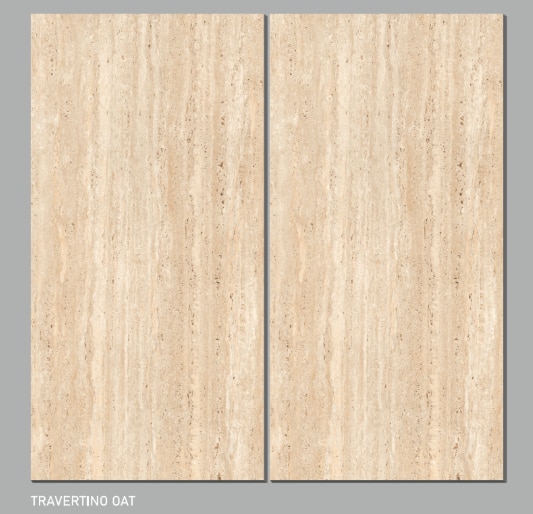 | Regal Collection (Glossy) – Regal Collection from VRINDAVAN GRANITE AND TILES is a premium glossy wall tile inspired by the timeless beauty of natural travertine... View product → |
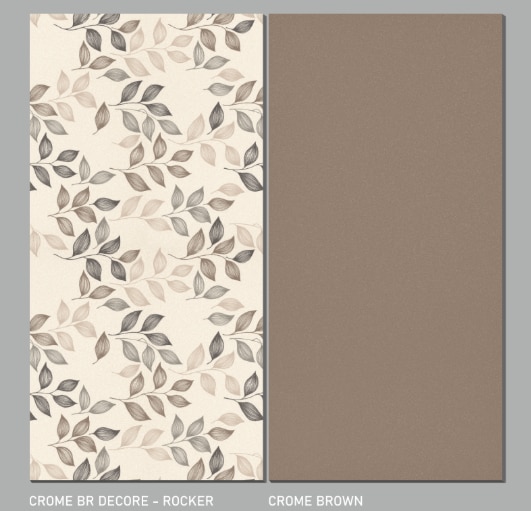 | Regal Collection Crome BR Decore – Rocker (Matt Finish) Crome BR Decore – Rocker (Matt Finish) – Regal Collection from VRINDAVAN GRANITE AND TILES is a premium designer wall tile that combines contemporary... View product → |
How much tile should you order and how should you inspect it?
Measure every wall separately: width × height, subtract doors and large openings, then add the areas of niches or returns. Divide the net area by the tile coverage per box for your tile quantity calculation, and round up to complete boxes.
1. Add a tile wastage allowance before ordering. A simple running-bond layout often needs about 10%; diagonals, niches, many corners, patterned designs and small formats need more because cuts cannot always be reused. Include future repairs in the original order, since a later replacement may not match.
2. Ask the dealer to record the product code, shade or dye lot, calibre, finish and total boxes on your invoice. Buy matching spares, label them by room, and store them unopened in a dry place.
Do not mix boxes casually: shade variation can make one wall look patchy, while a different calibre changes joint alignment.
3. Before approving the batch, open boxes from different parts of the delivery. Dry-check several pieces for colour, surface defects, chipped edges, warping, printed pattern direction and size consistency; lay out a small section to see how joints meet.
4. Judge the tile under the kitchen or bathroom’s actual lighting, not only warm showroom lamps. View a larger sample or mock-up beside the cabinets, countertop, grout, sanitaryware and metal fittings, then inspect it dry and wet. Gloss, texture and water can change colour and contrast enough to overturn a showroom decision.
Frequently asked questions
How should kitchen and bathroom wall tiles differ?
Kitchen wall tiles need grease resistance, easy wiping and chemical resistance. Bathroom wall tiles need moisture tolerance and a surface that simplifies soap, shampoo and water-mark removal.
Which tile finish and pattern scale suit the room?
Choose finishes that are easy to clean in kitchens and resist troublesome marks in bathrooms. Match pattern scale to the room: large patterns need visual space, while small rooms suit restrained patterns.
How do size, layout, grout and colour change the result?
Tile size affects the number of joints, layout changes the room’s visual direction, grout influences maintenance and contrast, and colour affects perceived brightness and scale.
What must a wall tile dealer verify before you buy?
Verify the tile’s intended wall use, dimensions, calibre, shade or batch, finish, water-related specifications, available quantity and whether matching replacement stock exists.
How much tile should you order and how should you inspect it?
Measure the wall area, subtract permanent openings, add extra for cuts and breakage, then inspect cartons for damage and confirm every box matches in size, shade, calibre and batch.
Related products
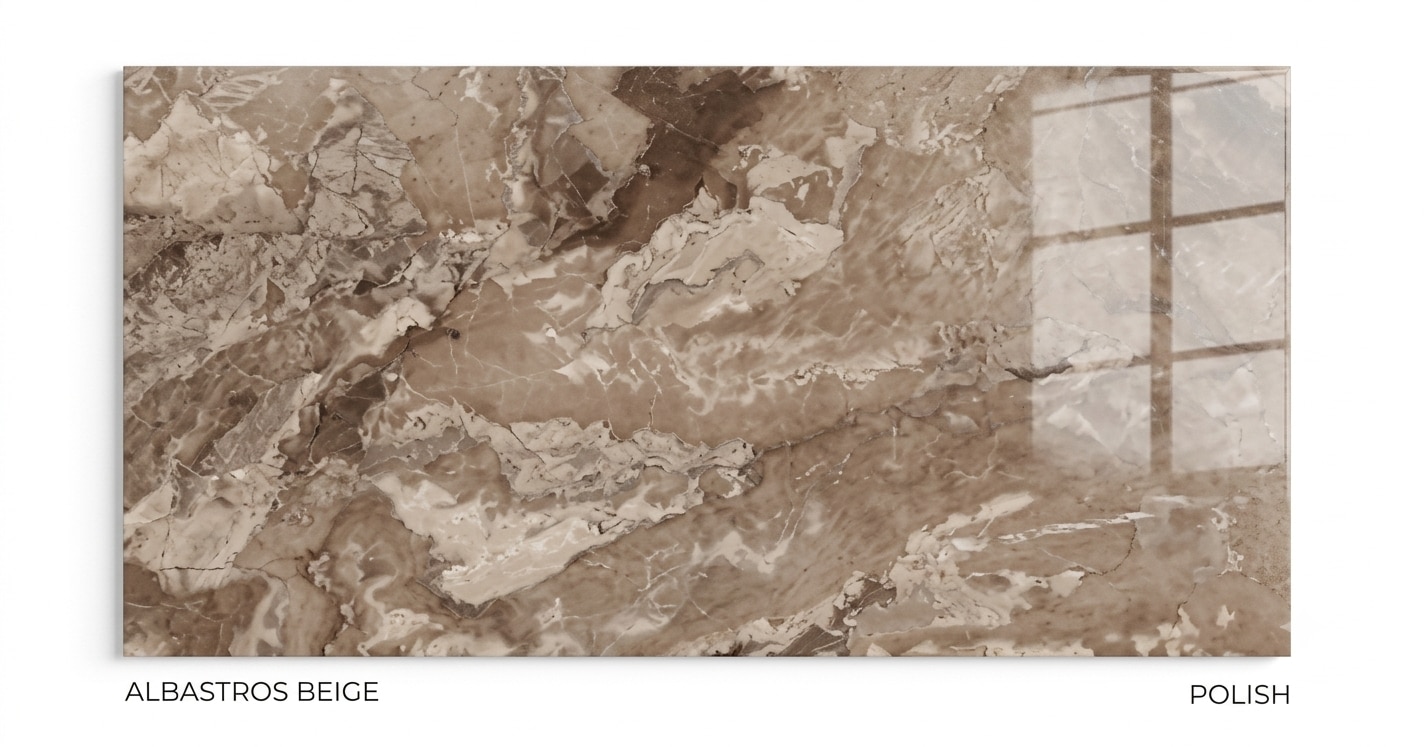 | Marble Collection Marble Collection from VRINDAVAN GRANITE AND TILES is a premium marble-finish vitrified tile that brings the timeless elegance of natural marble to... View product → |
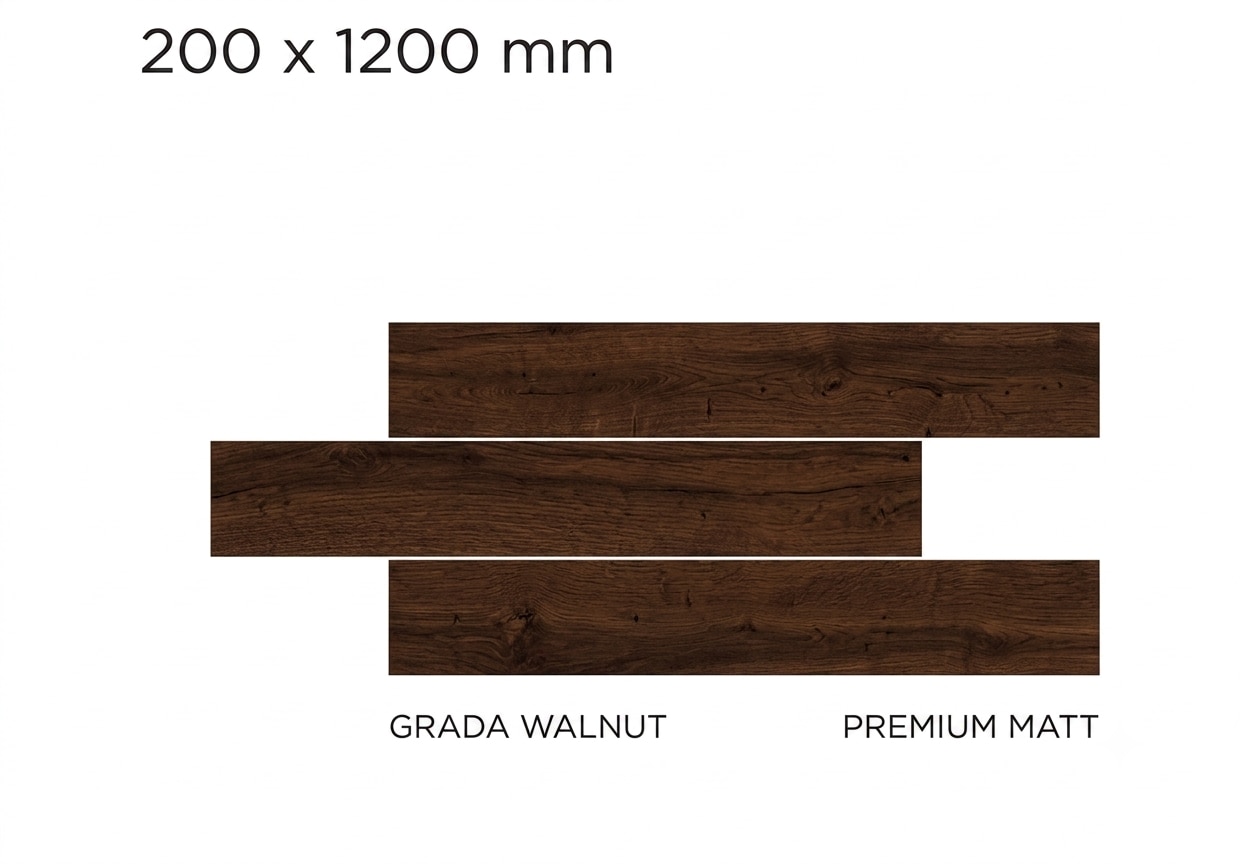 | Wood Collection (Premium Matt) – Wood Collection from VRINDAVAN GRANITE AND TILES combines the timeless elegance of natural wood with the strength and durability of... View product → |
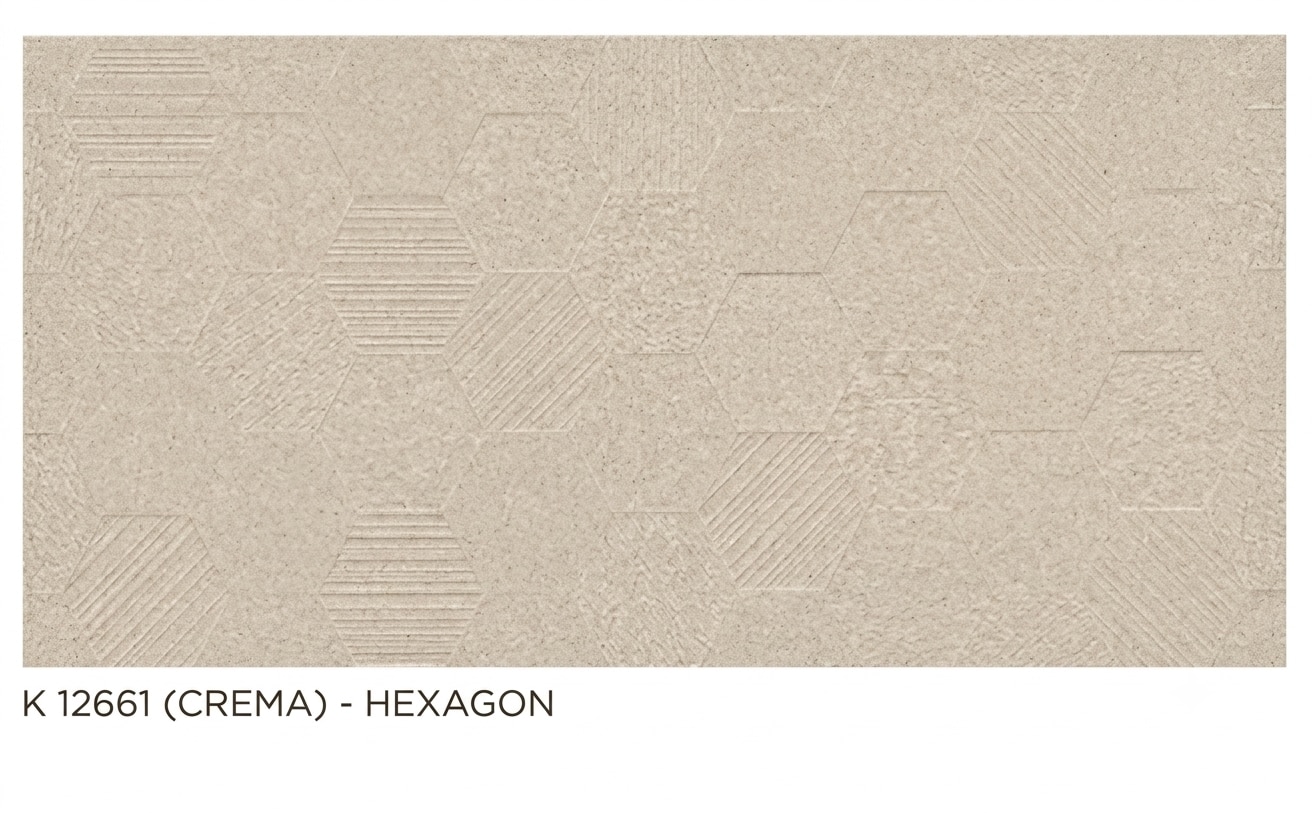 | Hexagon (Stone Art) K 12661 (Crema) – Hexagon (Stone Art) from VRINDAVAN GRANITE AND TILES is a premium stone-finish vitrified tile designed to bring the elegance of... View product → |
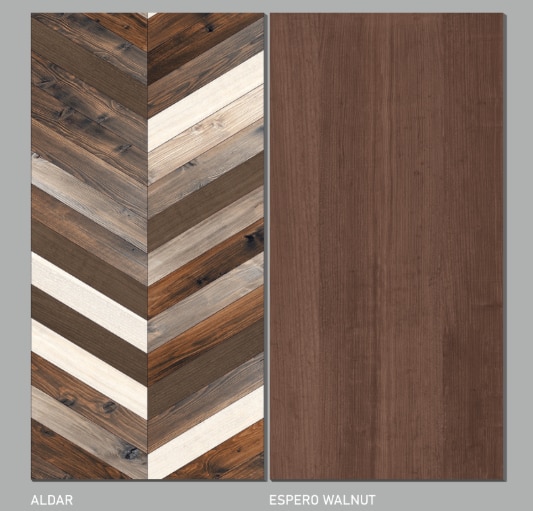 | Regal Collection Aldar (Rocker Finish) – Regal Collection from VRINDAVAN GRANITE AND TILES is a premium designer wall tile crafted to bring texture, elegance, and... View product → |