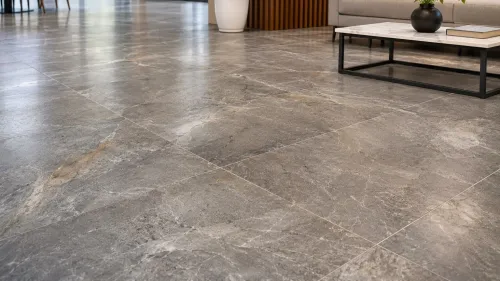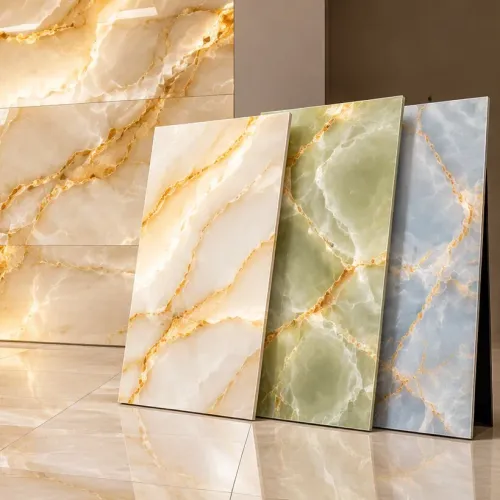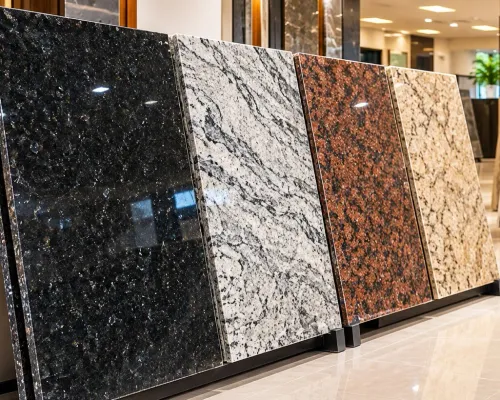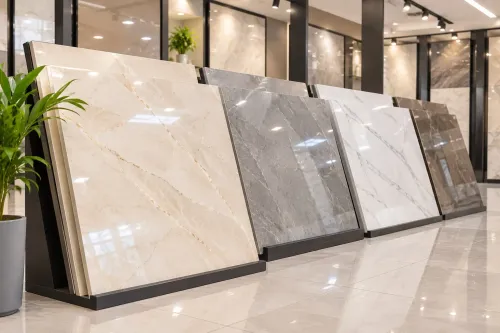
A distinctive imported tile can transform a room, but the carton, technical data, lighting performance and replacement plan matter as much as the pattern. By the end, you will know how to verify origin, compare imported and Indian options, test a finish, match the tile to its location and place an order that limits installation and future-repair problems.
Key takeaways
- Ask for country-of-origin evidence, importer details, batch number, and a GST invoice.
- Compare adhesive, wastage, freight, cutting, and installation costs—not tile price alone.
- Test gloss, texture, slip resistance, and maintenance needs in the intended room.
- Confirm shade, calibre, quantity, replacement stock, and installation instructions before paying.
How to Verify That a Tile Is Actually Imported
Treat a tile as imported only when the dealer provides traceable origin evidence, not when a sales label says “Italian-style” or “European-inspired.” Ask an imported tile dealer for:
- A carton photograph showing the country of manufacture, manufacturer name, factory address, product code, and country-of-origin statement.
- Carton details matching the sample and quotation, including shade, calibre, lot or batch number, size, quantity, and declared surface finish.
- The manufacturer’s product datasheet, listing water absorption and the intended installation location. “Porcelain” alone is insufficient; ISO 13006 and ASTM C373 classify porcelain at 0.5% or less water absorption by mass.
- Importer details on the carton, invoice, or product documents, plus a redacted commercial invoice, packing list, or bill of entry when available.
- Written confirmation that replacement cartons can be sourced, with the expected lead time and the lot information needed to match future purchases.
Check that every document identifies the same manufacturer and product code. A different lot can change shade, gloss, texture, or calibre, so order one lot with allowance for cuts, breakage, and replacements.
For exterior use, demand a manufacturer or standard-based frost-resistance declaration; low absorption does not prove freeze-thaw suitability. For decorative metal, glass, stone, or crackle-glaze tiles, obtain the product-specific installation and maintenance sheet before approval. It should identify adhesives, cutting tools, movement allowances, and cleaning products.
Imported Versus Indian Tiles: Compare the Installed Cost, Not Just the Design
An imported tile justifies extra risk when its finish, format or pattern delivers a result you cannot obtain from Indian tiles, and the project can absorb a longer lead time. Compare the complete installed cost, not the carton price.
| Option | Cost and supply effect | When it earns the premium |
|---|---|---|
| Imported tile | Add freight, customs-related charges, customs delays, higher breakage exposure, specialist cutting or adhesive, and a reserve for future replacement. | Choose it for a genuinely distinctive finish, documented performance, and a design where substitution would undermine the result. |
| Indian tile | Usually offers simpler replenishment, shorter lead time, easier shade matching and lower freight exposure. | Choose it when appearance is available locally or the project needs phased deliveries and quick replacement. |
| Either option | Add tile wastage, labour, grout, waterproofing, substrate correction and movement joints to the comparison. | Use the installed total before approving the design. |
Order enough material from one shade, calibre and lot for the complete area, plus cuts, breakage and future repairs. A replacement carton from a later lot can differ in colour, gloss, texture or size.
Imported tiles become a poor choice when one broken carton could delay handover, the dealer cannot confirm replacement availability, or the installation requires tools and materials the installer has not used. For wet areas, price epoxy grout separately if its stain and chemical resistance justify the higher installation cost; neither grout choice replaces waterproofing.
Get the product installation sheet before paying.
Test Distinctive Finishes Under the Conditions Your Room Will Face
Approve a finish only after testing a physical sample under the conditions your room will face. A showroom can flatter gloss, hide colour shifts and make texture appear cleaner than it will after installation.
1. View the sample in daylight, then under warm artificial light. Check whether gloss is even, the colour changes noticeably, or printed patterns repeat too quickly across the surface.
2. Run your hand and a clean cloth over textured, honed, flamed, brushed or structured finishes. Inspect texture peaks and rocker depth; deep relief can improve traction but retain soil, grout haze and grease. Test it with your intended cleaning equipment and grout colour.
3. Place the sample on the floor and test it in wet conditions using the footwear expected in the room. For a commercial floor or another slip-sensitive area, request the wet dynamic coefficient-of-friction result under ANSI A326.3, not merely an “anti-slip” description.
Treat that number as test evidence, not a guarantee for every contaminant, slope, shoe or maintenance routine.
4. Ask to see tiles from the actual shade, calibre and lot you will receive. Compare several pieces for colour, gloss and size; separate lots can vary enough to show after installation.
A polished porcelain or stone surface can show scratches, etching and traffic wear quickly in gritty entrances, kitchens and retail areas. Do not use a PEI rating as proof of slip resistance or stain resistance; it primarily classifies abrasion resistance of a glazed ceramic surface.
Match Tile Specifications and Finishes to Each Room
A wall tile can be decorative; a floor tile must survive abrasion and provide slip resistance under the conditions where you walk. Match the room to test data, not to “porcelain” or “premium” on the carton.
| Room | Technical checks | Suitable direction |
|---|---|---|
| Interior wall | Water absorption, adhesive compatibility, format and weight limits | Ceramic, porcelain or decorative tile |
| Dry residential floor | Slip resistance, PEI rating, thickness and substrate suitability | Floor-rated glazed tile |
| Bathroom or wet floor | Wet slip resistance, texture, water absorption, grout and waterproofing | Tile rated for wet floors |
| Exterior or balcony | Frost declaration, water absorption, drainage and movement joints | Exterior-rated porcelain system |
| Commercial space | PEI rating, wet slip resistance, stain and chemical resistance, replacement stock | Commercial floor tile |
The PEI rating describes abrasion resistance on a glazed surface. It does not measure structural strength, slip resistance, stain resistance or freeze-thaw performance. Under ISO 13006 and ASTM C373, porcelain has water absorption of 0.5% or less by mass, but low absorption alone does not prove frost resistance.
Wet rooms still need waterproofing behind the tile. Cementitious grout remains porous unless treated; epoxy grout resists staining and many chemicals better but costs more and demands precise installation.
A rectified tile has precisely cut edges, allowing narrower joints—not zero joints. Metal, glass, stone and crackle-glaze tiles need product-specific adhesives, cutters, movement allowances and cleaners, so obtain the installation sheet before approving a large order.
Build the Order and Installation Brief Before You Pay the Deposit
Before paying the deposit, make the quotation, layout plan and installation brief agree on quantities, materials, joints, cuts and site conditions. A design that looks complete on paper can fail when the installer discovers the wrong adhesive or too little stock.
1. Record the exact tile name, size, finish, shade and calibre, plus the batch number or lot number. Order enough from one lot for the measured area, cutting waste, breakage and future repairs; a later carton can differ in colour, gloss, texture or actual dimensions.
2. Attach a drawn layout showing the starting line, centre lines, border pieces, directional pattern, feature-tile position and cut locations. Approve the grout width in millimetres rather than accepting “minimal joints”; rectified tiles still need a joint suited to size variation, substrate movement and installation conditions.
3. Obtain the product-specific installation sheet before approving metal, glass, natural-stone, crackle-glaze or mixed-material tiles. Name the required blade, adhesive, movement allowance, sealant and cleaning method in the brief.
4. Specify the setting system for the room: waterproofing behind wet-area tiles, grout type and colour, movement joints, drainage and substrate preparation. For exteriors, require a written frost-resistance declaration rather than relying on low water absorption.
VRINDAVAN GRANITE AND TILES can help you compare a physical sample with the proposed grout, lighting and layout before the order is released. Have the quotation state breakage reporting, shortage claims, delivery inspection and the process for obtaining matching replacement tiles.
Related products
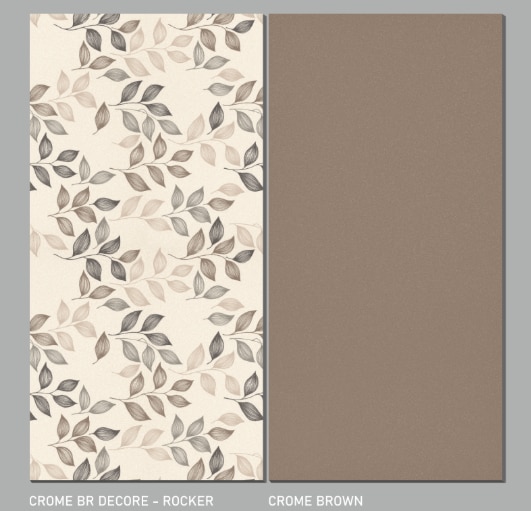 | Regal Collection Crome BR Decore – Rocker (Matt Finish) Crome BR Decore – Rocker (Matt Finish) – Regal Collection from VRINDAVAN GRANITE AND TILES is a premium designer wall tile that combines contemporary... View product → |
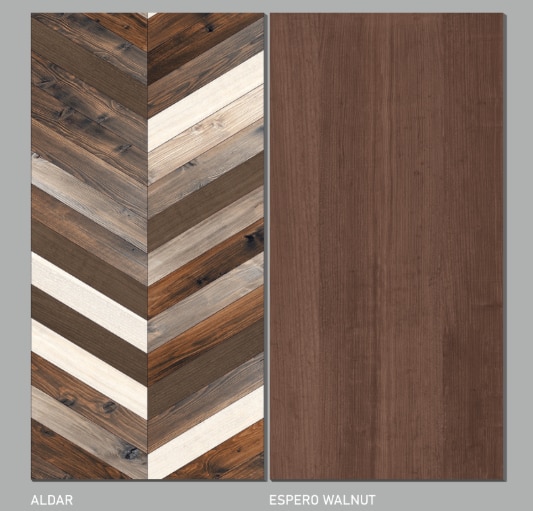 | Regal Collection Aldar (Rocker Finish) – Regal Collection from VRINDAVAN GRANITE AND TILES is a premium designer wall tile crafted to bring texture, elegance, and... View product → |
Frequently asked questions
How can you verify that a tile is actually imported?
Ask the dealer for country-of-origin evidence, importer details, batch or lot identification, and a GST invoice. Treat labels such as “Italian-style” as design descriptions, not proof of origin.
Are imported tiles more expensive than Indian tiles after installation?
Not always. Compare the full installed cost, including freight, breakage, wastage, adhesive, specialist cutting, labour, and replacement difficulty.
How should you test a distinctive tile finish?
View samples under the room’s lighting, place water on the surface, assess cleaning effort, and check slip behaviour for the conditions the room will face.
How do you match imported tile specifications to each room?
Check water absorption, surface texture, slip resistance, thickness, format, edge finish, and maintenance requirements against the room’s use.
What should you confirm before paying a tile deposit?
Record the exact collection, size, shade, calibre, quantity, batch, delivery terms, breakage policy, replacement availability, and installation instructions.
Related products
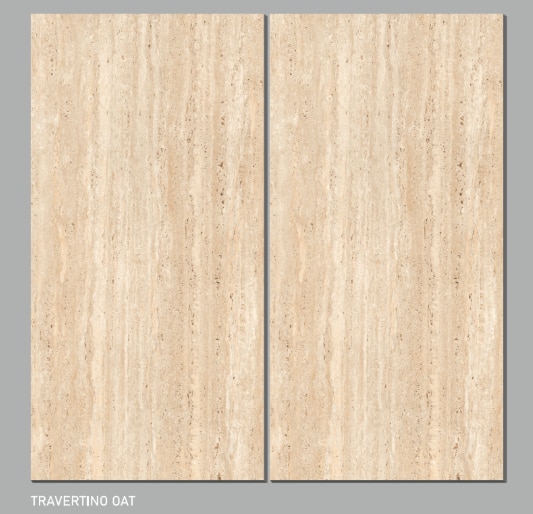 | Regal Collection (Glossy) – Regal Collection from VRINDAVAN GRANITE AND TILES is a premium glossy wall tile inspired by the timeless beauty of natural travertine... View product → |
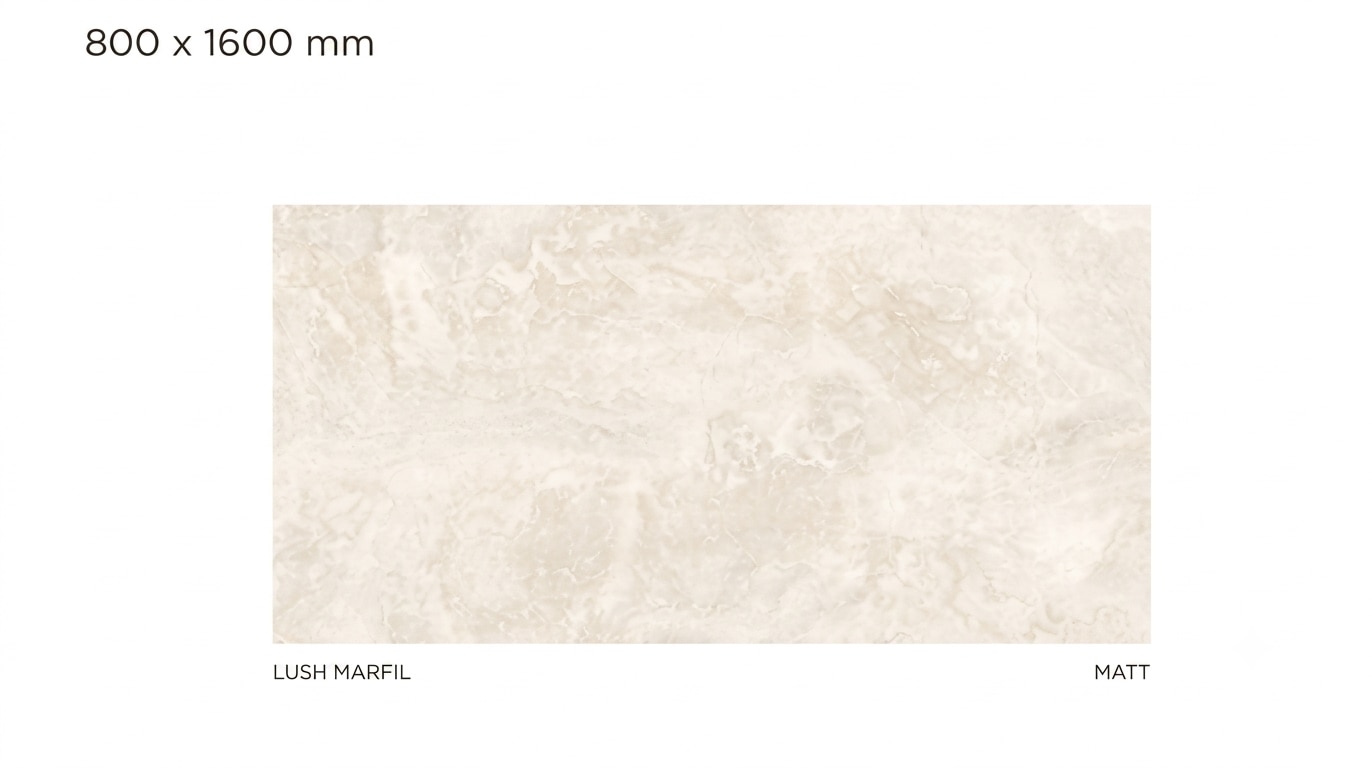 | Cement Collection Cement Collection from VRINDAVAN GRANITE AND TILES is a premium vitrified tile designed to deliver the modern appeal of cement with enhanced... View product → |
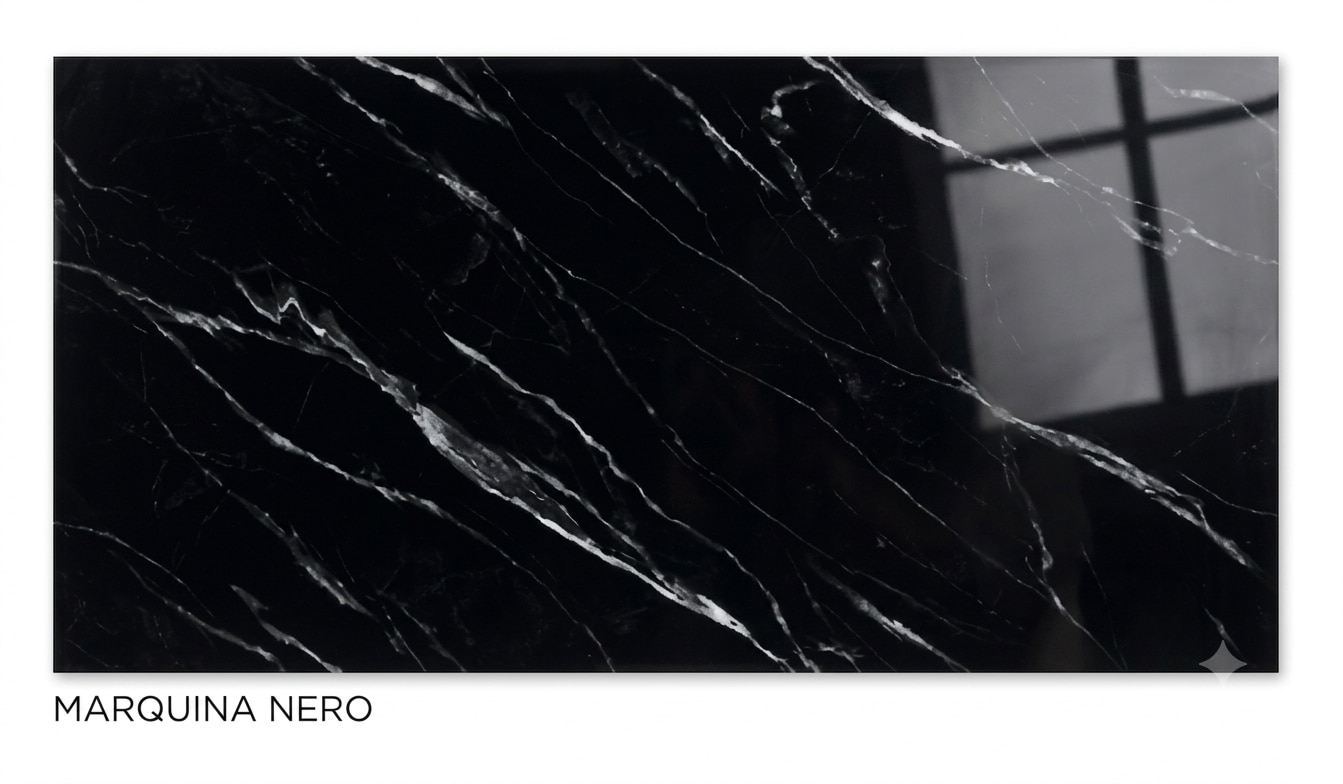 | Ornnate (Ornnate) – Dark Black from VRINDAVAN GRANITE AND TILES is a premium designer wall tile inspired by the luxurious beauty of natural black marble. View product → |
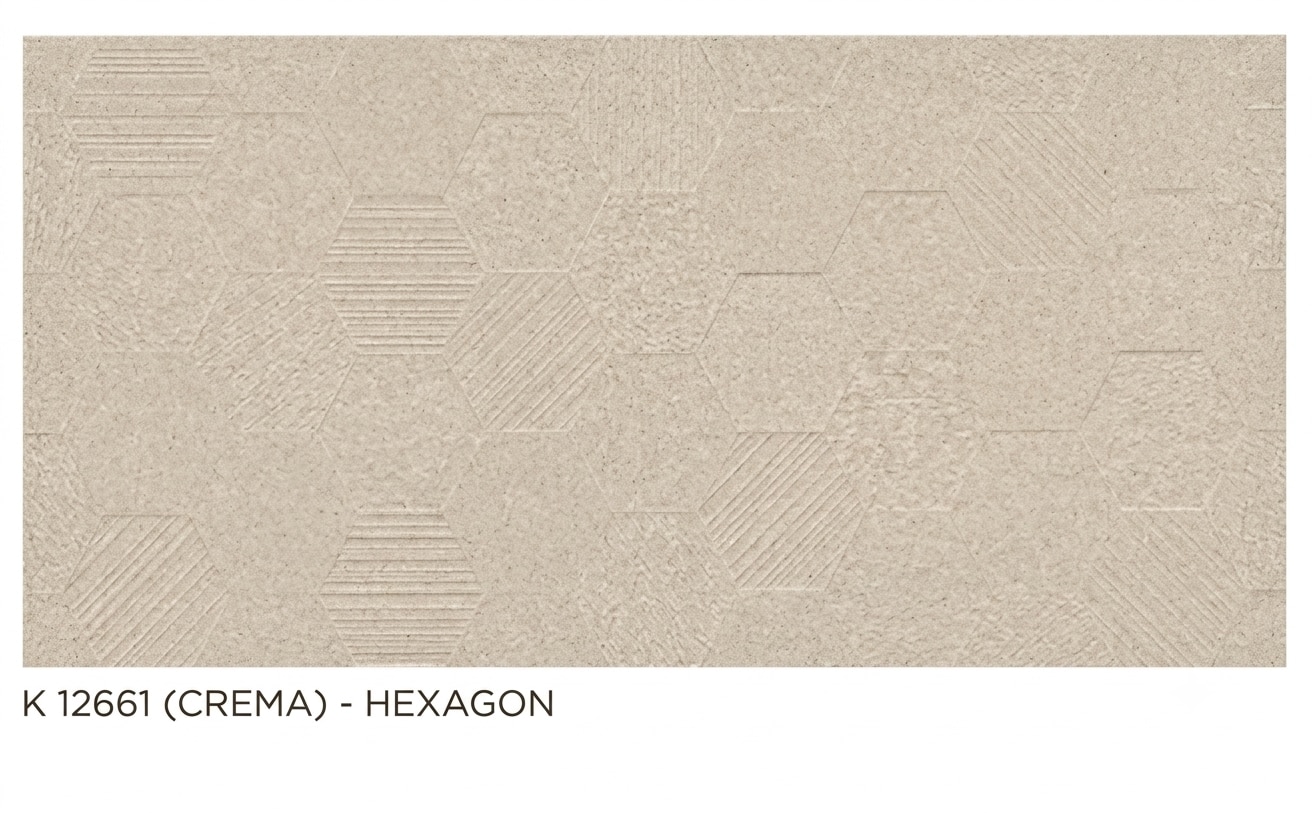 | Hexagon (Stone Art) K 12661 (Crema) – Hexagon (Stone Art) from VRINDAVAN GRANITE AND TILES is a premium stone-finish vitrified tile designed to bring the elegance of... View product → |